Best Webcam for Online Meetings (2026): 6 Picks

The meeting starts. You look grey.
Everyone else looks sharp. Your laptop camera turns a normal room into a dark cave, and sitting closer to the window only helps until the sun moves. That gap is the real meetings problem: small laptop sensors gather too little light, and they sit too low on a big monitor.
The best webcam for online meetings is a USB camera that keeps your face sharp and well lit on Zoom, Teams and Google Meet. It pairs a good sensor with clear mics and a privacy shutter, so you look and sound clear without extra gear.
This guide ranks six webcams for work calls, not streaming. If you broadcast to Twitch or YouTube, read our streaming webcam guide instead — frame rates and software matter more there. Here, light, mics and privacy decide the order.
No prices are printed in this guide — webcam prices move often and listings change. Check the live price before buying. Specs below are the makers' own figures.
What's the Best Webcam for Online Meetings?
For most people, the Logitech MX Brio. It handles dim rooms, backlight and daily calls with the least fuss of any pick here.
The best webcam for online meetings is the Logitech MX Brio for most desks. According to Logitech, it records 4K at 30 frames per second or 1080p at 60, with an 8.5-megapixel Sony STARVIS sensor, dual noise-reducing mics and a built-in privacy shutter. That mix suits daily Zoom and Teams calls.
A good meetings webcam needs light handling more than raw resolution. According to Insta360, the Link 2C uses a 1/2-inch sensor with HDR in every mode, so faces stay clear against bright windows. Bigger sensors gather more light, which is why they look cleaner in dim rooms than budget cameras.
Look — if you're in the spot where you're lit by one ceiling bulb and it's making you look tired on every call, here's what actually works: a bigger sensor first, a lamp second, resolution last.
Logitech MX Brio vs Logitech Brio 500: the MX Brio is better suited for dim rooms and recorded calls because its bigger sensor gathers more light. The Brio 500 works better when every call stays at 1080p and budget matters more. The key difference is sensor size, not the call apps.
Is a 4K Webcam Worth It for Zoom and Teams?
Only if you crop, zoom or record. Live meetings send HD video at most, so a sharp 1080p camera covers daily calls.
A 4K webcam is worth it for Zoom and Teams only when you crop or record. Zoom and Teams cap live video at HD, so nobody sees your full 4K feed. The extra pixels still help when the camera zooms in or when you record a call for later.
I've seen conflicting data — most guides say the call apps cap live video at 1080p, while one Anker support note lists Zoom at 720p and Teams lower still for its C200. My read is simple: plan for HD on live calls and treat 4K as headroom, not as the picture people see.
Here's the thing: a clean 1080p feed from a big sensor beats a noisy 4K feed from a small one. Pixels do not fix a dark room. Light does.
My honest take: most people should buy a lamp before a 4K webcam. A cheap desk lamp facing you improves every camera you own, while 4K on a dim desk just records the gloom in more detail.
Why Do I Look Dark or Grainy on Video Calls?
Usually the light sits behind you, or the room is too dim for a small sensor. Face the light and the picture improves at once.
A window behind you fools the camera. It exposes for the bright glass and turns your face into a shadow. Turn the desk, or close the blind and put a lamp in front of you at eye level.
Grain comes from gain. In low light the sensor boosts the signal, and the boost adds noise. Bigger sensors and brighter lenses need less boost, which is why picks one, four and five stay cleaner after dark.
Or maybe I should say it this way: fix the light, then judge the camera.
Screen choice helps too. A webcam centred on your main monitor keeps your eyeline natural. Our home office monitor guide covers desk screens if your laptop lid still does that job.
Do I Need a Webcam With a Built-In Microphone?
No, if you wear a headset. Yes, if two people share the desk or you hate headphones. One pick here has no mic at all.
Headset users can ignore webcam mics. Your headset sits closer to your mouth and wins every time. Pick the camera for its picture and shutter instead.
Shared desks need real mics. Dual beamforming arrays on the MX Brio, Brio 500 and C200 focus on voices in front of the camera and cut keyboard noise. Two people at one desk stay clear without passing a headset around.
Quick note: the Razer Kiyo Pro Ultra has no built-in microphone. It earns its place on picture alone, so pair it with a headset or a desk mic. Our dual monitor webcam guide covers wide-desk setups in more depth.
Sound carries the meeting. Picture just introduces you.
Quick Comparison
| Product | Best For | Key Specs | ||
|---|---|---|---|---|
| #1 | Logitech MX BrioBest Overall | Daily calls, dim rooms | 4K30 / 1080p60 · STARVIS sensor · dual mics · shutter | Check Price |
| #2 | Logitech Brio 500Best Mid-Range | Everyday 1080p calls | 1080p30 · RightLight 4 · auto-framing · Show Mode | Check Price |
| #3 | Anker PowerConf C200Best Budget 2K | Tight budgets | 2K30 · 65°/78°/95° view · dual mics · built-in cover | Check Price |
| #4 | Insta360 Link 2CBest 4K Value | Presenters, teachers | 4K30 · 1/2-inch sensor · AI framing · privacy switch | Check Price |
| #5 | Razer Kiyo Pro UltraBest Low Light | Dark rooms, headset users | 4K30 / 1080p60 · 1/1.2-inch sensor · f/1.7 · no mic | Check Price |
| #6 | Logitech C920sBest Budget Classic | Simple desks | 1080p30 · 78° view · dual mics · clip-on shutter | Check Price |
The Best For column decides the shortlist. Picks one and two suit people who want no fuss. Pick three suits tight budgets. Picks four and five suit presenters and dark rooms.
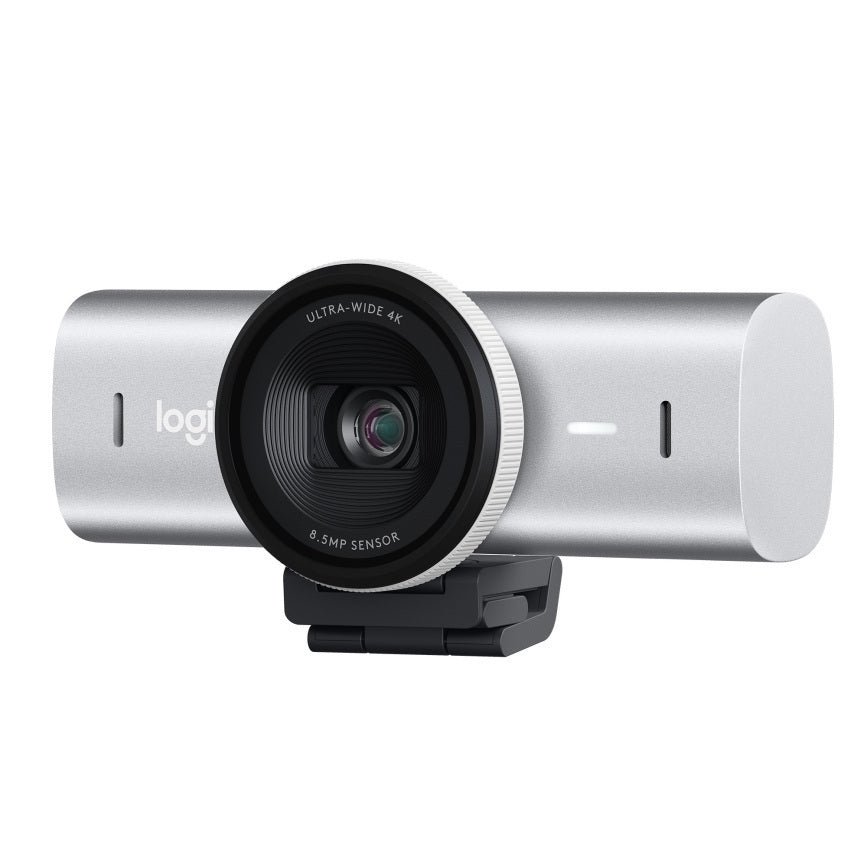
Logitech MX Brio
Best OverallBuy if: you take daily calls and want one camera that handles any room
Don't buy if: you sign into Windows with your face — it drops Windows Hello
The MX Brio is the safest pick for work calls. Logitech lists 4K at 30 frames per second, 1080p at 60, an 8.5-megapixel Sony STARVIS sensor and RightLight 5 with HDR. Faces stay balanced against bright windows, and dim rooms stay clean without a lamp.
Meeting details are covered too. Dual beamforming mics cut background noise, the built-in shutter closes with a twist, and Show Mode tilts down to share notes on your desk. Logitech certifies it for Teams, Zoom and Google Meet. The one loss is Windows Hello face sign-in, which the older Brio 4K had.
Pros
- Big STARVIS sensor, clean low light
- 4K30 and 1080p60 modes
- Dual mics with noise reduction
- Built-in privacy shutter
Cons
- No Windows Hello sign-in
- Premium price for a webcam
- Full modes need USB 3.0
- Overkill for rare calls
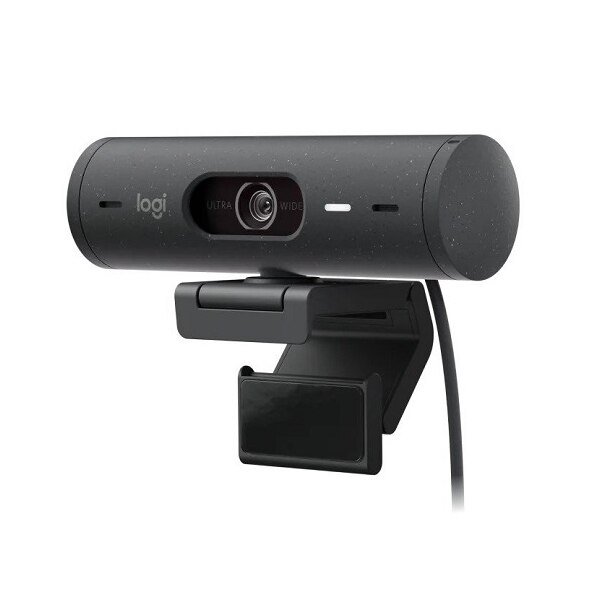
Logitech Brio 500
Best Mid-RangeBuy if: your calls stay at 1080p and you want auto-framing and Show Mode
Don't buy if: you record in 4K or use a Chromebook for smart features
The Brio 500 is the everyday-calls pick. Logitech lists 1080p at 30 frames per second on a 4-megapixel sensor, with RightLight 4 HDR, autofocus and a view you can set to 90, 78 or 65 degrees. RightSight auto-framing keeps you centred when you shift in your chair.
Show Mode is the meeting trick. Tilt the camera down and the feed flips, so sketches and notes on your desk read the right way up. Two limits matter: smart features need the free Logi Tune app, which skips ChromeOS, and the USB-C cable is fixed to the body.
Pros
- RightLight 4 handles backlight well
- Auto-framing keeps you centred
- Show Mode shares desk notes
- Built-in privacy shutter
Cons
- 1080p30 top mode, no 4K
- Smart features need Logi Tune
- No ChromeOS app support
- Fixed USB-C cable
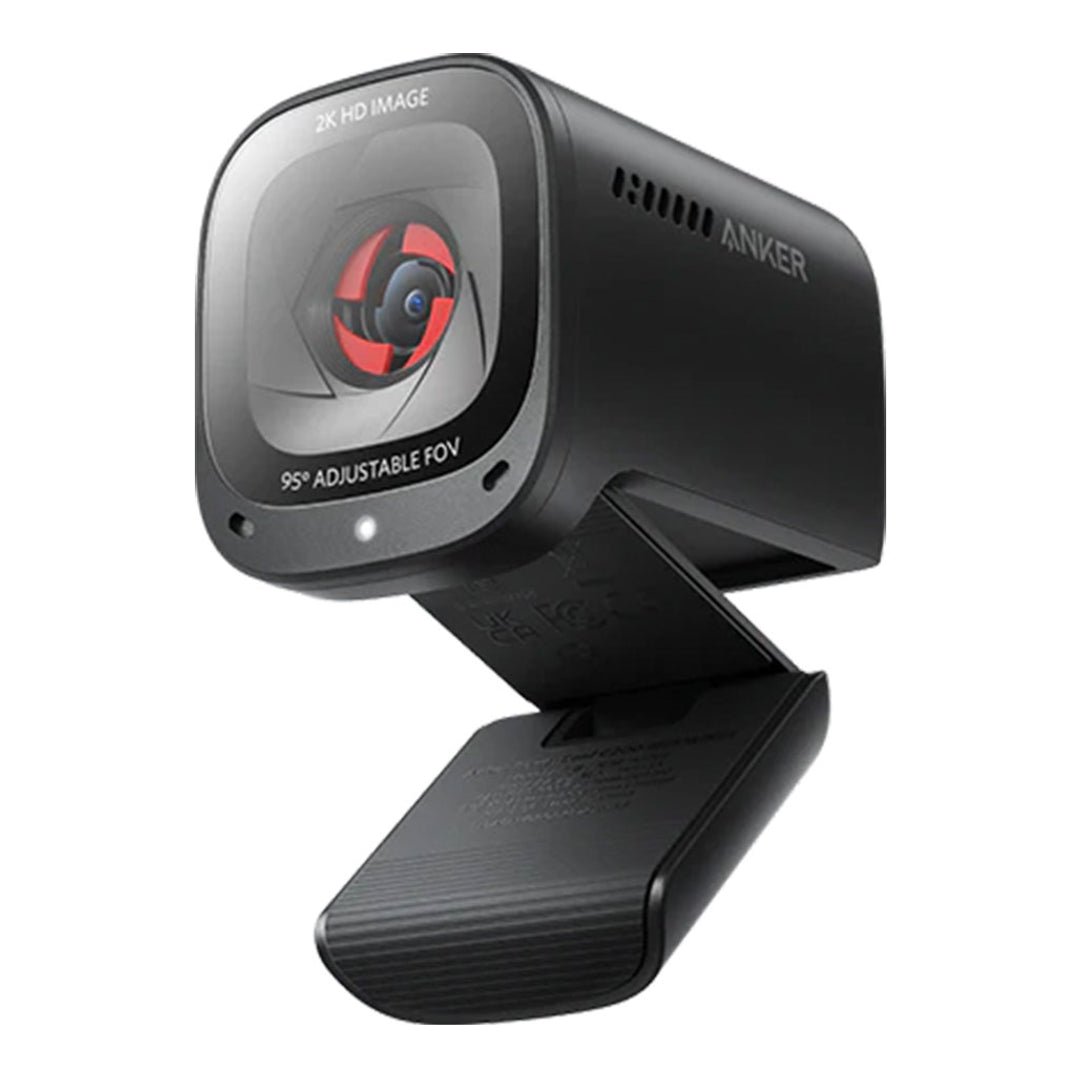
Anker PowerConf C200
Best Budget 2KBuy if: you want a clear step up from a laptop camera for little money
Don't buy if: your room is very dark or you need 60 frames per second
The C200 is the budget pick that still feels like an upgrade. Anker lists 2K video at 30 frames per second on a 5-megapixel sensor, autofocus from 15cm to 3m, and a view you can set to 65, 78 or 95 degrees in software. Tight framing hides the room; wide framing fits a second person.
Privacy is physical. A built-in cover slides over the lens and shows a red marker, so you can see the camera is blocked from across the desk. Dual stereo mics with noise reduction handle solo calls well. The sensor is small, so dark rooms still look grainy next to picks one and five.
Pros
- 2K video with autofocus
- Three view angles in software
- Built-in sliding privacy cover
- Dual mics, tripod thread
Cons
- Small sensor, weaker low light
- 30 frames per second cap
- Older 2022 design
- View changes need the app
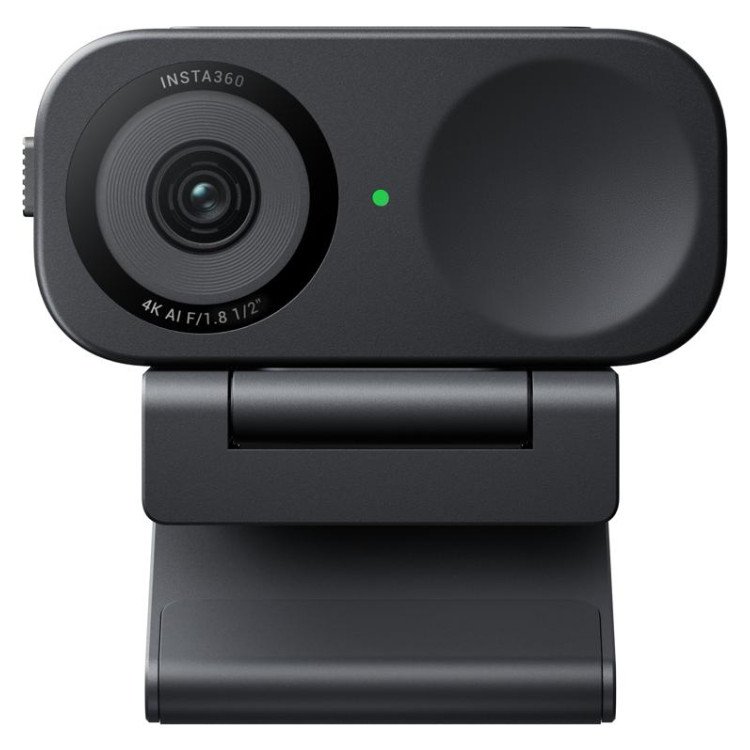
Insta360 Link 2C
Best 4K ValueBuy if: you teach, present or move around during calls
Don't buy if: your computer is old or runs ARM-based Windows
The Link 2C brings a big sensor to a fair price. Insta360 lists a 1/2-inch sensor at f/1.8, 4K at 30 frames per second, 1080p at 60, HDR in every mode and phase-detection autofocus. Auto-framing zooms and crops to keep you centred, and Whiteboard Mode squares up a board behind you.
DeskView suits teachers and reviewers: tilt the camera down and it shows your desk from above. Audio uses AI noise cancelling with voice modes, and a physical switch blocks the lens. Check your computer first — Insta360 asks for a 5th-generation Core i5 or later, and ARM-based Windows is not supported.
Pros
- Large 1/2-inch sensor, f/1.8 lens
- AI framing and Whiteboard Mode
- HDR in all modes
- Physical privacy switch
Cons
- No motorised gimbal tracking
- Needs a fairly modern computer
- Best features need its app
- USB 2.0 connection
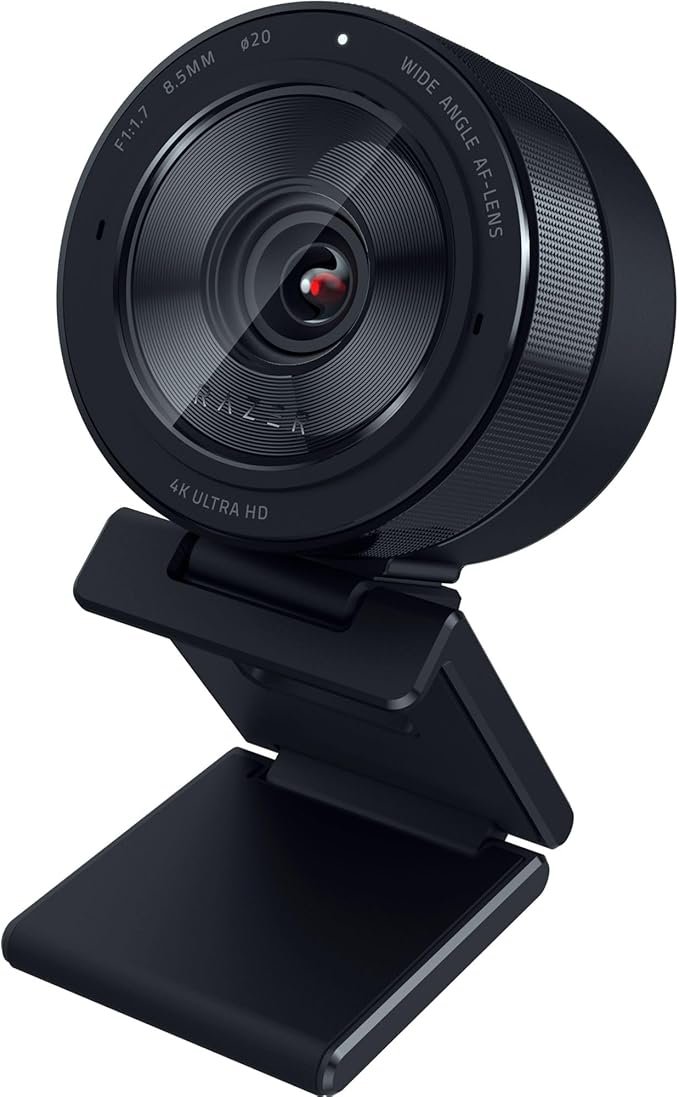
Razer Kiyo Pro Ultra
Best Low LightBuy if: your room stays dim and you already wear a headset
Don't buy if: you need built-in mics for a shared desk
The Kiyo Pro Ultra is the dark-room specialist. Razer lists a 1/1.2-inch Sony STARVIS 2 sensor with an f/1.7 lens, 4K at 30 frames per second and 1080p at 60 with HDR. That sensor is the largest here, so evening calls stay clean where smaller cameras turn to grain.
The catch is sound: there is no built-in microphone. Budget for a headset or desk mic, or pick one, two or three instead. The body is also tall and heavy for thin laptop lids. On a fixed monitor with a headset, nothing here beats its picture after dark.
Pros
- Largest sensor here, f/1.7 lens
- Cleanest low-light picture
- 4K30 and 1080p60 with HDR
- Strong autofocus
Cons
- No built-in microphone
- Big, heavy body
- Premium price
- Needs separate audio gear
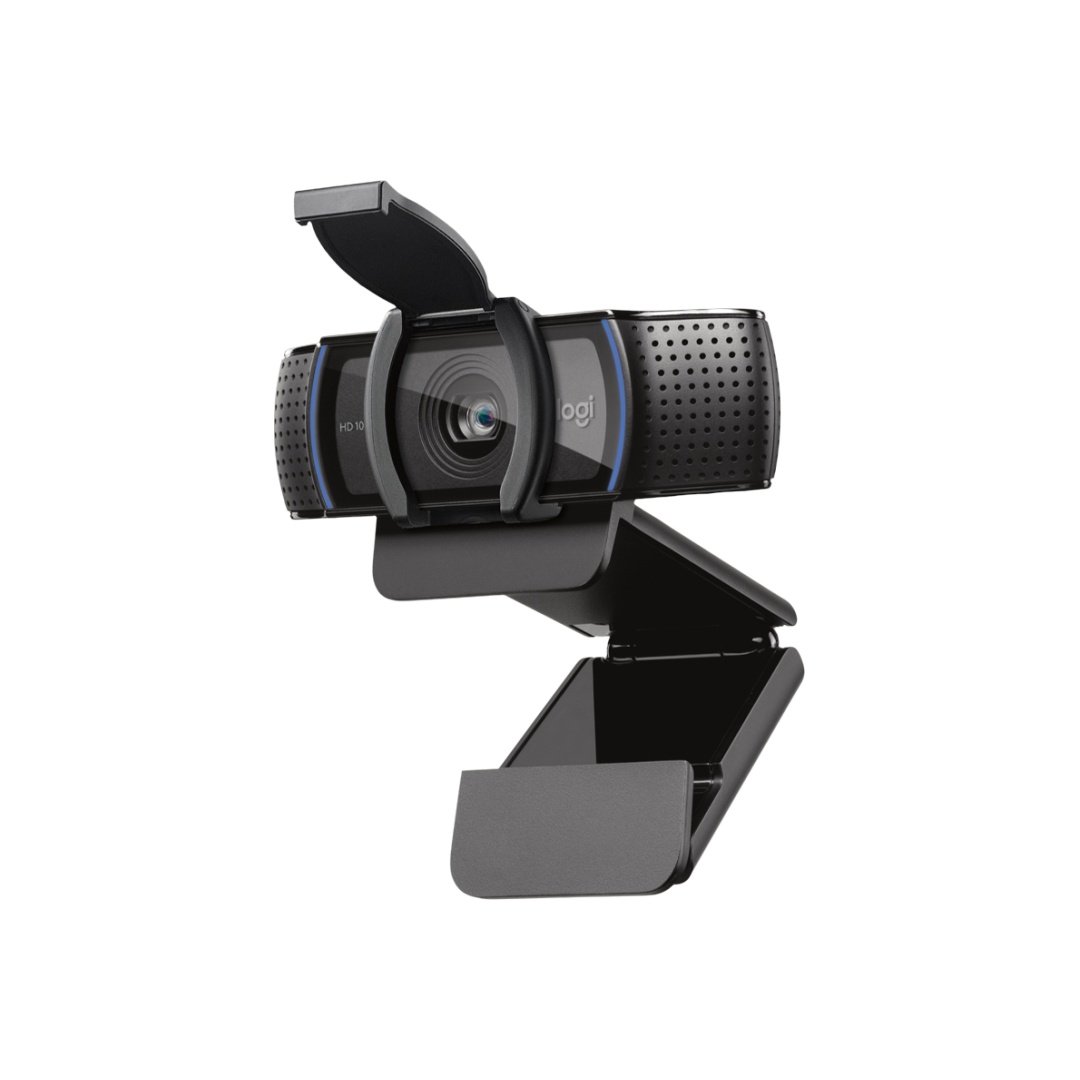
Logitech C920s HD Pro
Best Budget ClassicBuy if: you want simple, proven 1080p with no software fuss
Don't buy if: your room is dim or you want auto-framing
The C920s is the old standard that still earns its place. Logitech lists 1080p at 30 frames per second, autofocus, a fixed 78-degree view and dual stereo mics. Plug it in, pick it in your call app, and it works. Years of driver support make it the safest cheap buy.
Age shows in two places. The privacy shutter clips on rather than sliding inside the body, so it can go missing in a drawer. Low light also trails the newer picks — fine with a lamp, grainy without one. For bright rooms and simple desks, it remains money well spent.
Pros
- Proven 1080p with autofocus
- Dual stereo mics
- Works everywhere, no fuss
- Low street price
Cons
- Clip-on shutter can be lost
- Weak low-light picture
- No auto-framing or HDR tricks
- USB-A plug, older design
How to Set Up a Webcam for Online Meetings
Mount at eye level, face the light, pick the right mic, then test one real call.
To set up a webcam for online meetings, follow these steps: 1. Clip the webcam at eye level. 2. Face your light source. 3. Pick the camera and mic in your app. 4. Close the privacy shutter between calls. 5. Test one real call.
- Clip the webcam at eye level. Centre it on your main monitor so you look straight at the lens, not down at it.
- Face your light source. Put a window or lamp in front of you, never behind you, for a clear face.
- Pick the camera and mic in your app. Choose the webcam and its mics in Zoom, Teams or Meet settings before the call.
- Close the privacy shutter between calls. Slide the shutter shut after each meeting so the lens stays covered at rest.
- Test one real call. Join a test meeting and check your face, voice and framing in the preview window.
If the picture freezes mid-call, the hub is the usual suspect. Our home office USB hub guide explains the powered-hub fix, and the powered hub guide goes deeper on watts.
Buying Guide: What Actually Matters
Four things matter most: sensor size, light handling, microphones, and a real privacy shutter.
Sensor size comes first because it decides your worst calls, not your best. A 1/2-inch or larger sensor gathers far more light than the small sensors in budget cameras. In a bright room every pick here looks fine. At 6pm in winter, sensor size is the whole story.
Light handling comes next. HDR and auto-exposure keep your face balanced when a window sits behind you. Names differ — RightLight, HDR, low-light correction — but the job is the same: your face stays readable in mixed light.
Microphones matter when headsets stay off. Dual beamforming mics focus on your voice and cut keyboard clatter. Solo headset users can skip this check and spend the money on picture instead.
A physical shutter closes the privacy question. Built-in sliders and dials beat clip-on covers and stick-on flaps, which fall off or get lost. Software toggles alone leave the lens open to mistakes.
Light first. Pixels last.
Webcams to Skip in 2026
720p webcams. Call apps send HD, and a 720p camera starts below that bar. Every pick above gives 1080p or better.
\"4K\" cameras with tiny sensors. The pixel count hides a small, noisy sensor. Check the sensor size in the maker's specs before you pay for the 4K badge.
Cameras with no privacy cover. A software toggle is not a cover. Meetings gear should block the lens in hardware between calls.
Streamer cameras bought for meetings. Capture cards and 4K60 modes serve broadcasts, not standups. Our streaming guide covers that desk; this one covers yours.
Frequently Asked Questions
What's the best webcam for online meetings?
The Logitech MX Brio for most people. On a tight budget, pick the Anker PowerConf C200 instead.
Is a 4K webcam worth it for Zoom and Teams?
Only if you crop, zoom or record calls. Zoom and Teams send HD video at most, so 1080p covers live meetings.
Why do I look dark on video calls?
Light behind you makes the camera darken your face. Face a window or add a lamp in front of you.
Do I need a webcam with a built-in microphone?
No, if you wear a headset on calls. Yes, if two people share the desk or you skip headphones.
What's the best budget webcam for meetings?
The Anker PowerConf C200. It gives 2K video, dual mics and a built-in privacy cover for little money.
Should I use my laptop camera or buy a webcam?
Buy a webcam if you use an external monitor or look grainy indoors. Laptop cameras sit too low and gather little light.
How do I stop my webcam freezing on calls?
Plug the webcam straight into the computer, or use a powered hub. Busy bus-powered hubs starve cameras and drives.