Headphone Ear Pads Replacement in 2026: 6 Best Picks by Model

Headphone ear pads replacement is the process of removing worn ear cushions from over-ear headphones and fitting new ones made for that exact model. Pads wear out from sweat, heat and daily use. Fresh pads restore comfort, the acoustic seal and the sound your headphones had when new.
Most guides on this topic are either a how-to with no buying advice or a list of pads that never says which headphone each one fits. Both leave you guessing at the exact question that matters: which pad fits the pair on your desk. This guide answers it six times over — one pick per popular model — then shows you the five-minute swap.
Every price below is a real listing price, checked on 18 November 2026. Every pad names its model in the listing title. No universal pads, no mystery brands, no paid placement.
Quick Comparison
| Product | Key Specs | ||
|---|---|---|---|
| #1 | Wicked Cushions WC PadZ QC35Best Overall | Bose QC35 & QC35 II · thicker memory foam · softer leather · $28.95 | Check Price |
| #2 | Brainwavz Hybrid Gel Earpads for Sony WH-1000XM5Best Cooling Gel | Sony WH-1000XM5 only · cooling gel · fabric face · $24.15 | Check Price |
| #3 | SOULWIT Earpads for Sony WH-1000XM4 – Micro SuedeBest Value XM4 Refresh | Sony WH-1000XM4 · micro suede · memory foam · $19.95 | Check Price |
| #4 | Brainwavz Velour Oval Earpads for ATH-M50xBest for Glasses Wearers | ATH-M50x, M40x & oval cups · soft velour · memory foam · $36.99 | Check Price |
| #5 | Brainwavz ProStock Sheepskin Earpads for ATH-M50xBest Premium Leather | ATH-M50x & M Series · real sheepskin · custom shape · $31.15 | Check Price |
| #6 | Geekria QuickFit Protein Leather Earpads for Sony MDR-7506Best for Studio Headphones | MDR-7506, V6, V7, CD900ST · protein leather · $19.99 | Check Price |
Leather vs velour vs cooling gel: leather seals tightest, so it keeps bass and noise cancelling closest to stock. Velour breathes, so it suits glasses wearers and long quiet sessions. Cooling gel keeps the leather-style seal while pulling heat away from your ears. The key difference is the seal: leather seals, velour breathes.
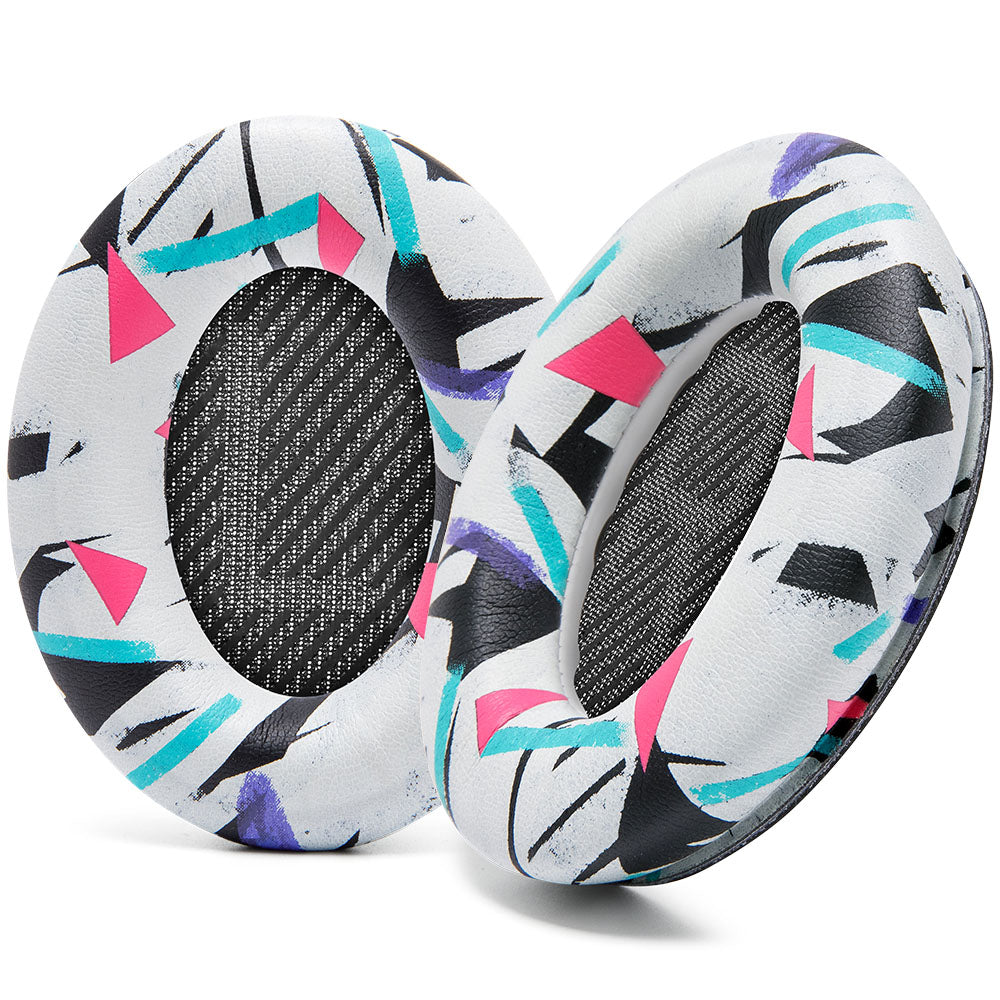
Wicked Cushions WC PadZ QC35
Best OverallBuy if: you own a Bose QC35 or QC35 II and want the comfort upgrade most owners end up buying
Don't buy if: you own a QC45, QC SE or the 2023 QuietComfort — these pads do not fit them
The WC PadZ QC35 is the pad most Bose owners end up buying, and the reason is simple: it is thicker, softer and better made than the pad Bose shipped. Wicked Cushions builds it from memory foam wrapped in softer leather, with extra thickness over the stock pad, so your ears sit further from the driver and the clamp feels gentler.
Fit is the whole point of this pick. The listing names the QC35 and QC35 II only — not the QC45, QC SE or the 2023 QuietComfort, which use a different pad. The pads clip on the same way the stock ones do, and the swap takes a couple of minutes with no tools.
Here's the thing: the stock QC35 pads were never great. Bose ships a thin pad that flattens fast, and after a year or two it feels like a pancake against your ear. The PadZ fixes that with foam that holds its shape. If your QC35 still sounds good but hurts after an hour, this is the $28.95 fix — not a new pair of headphones.
Pros
- Thicker memory foam than the stock Bose pads
- Softer leather that stays comfortable on long calls
- Clips on with no tools in about two minutes
- Made for the QC35 and QC35 II exactly — no guessing
Cons
- Fits QC35 and QC35 II only — not the QC45 or newer QuietComfort
- $28.95 costs more than generic QC35 pads
- Thicker foam moves your ear slightly further from the driver
Price $28.95 on Wicked Cushions' store, checked 18 Nov 2026. Check the price before buying, as prices change.
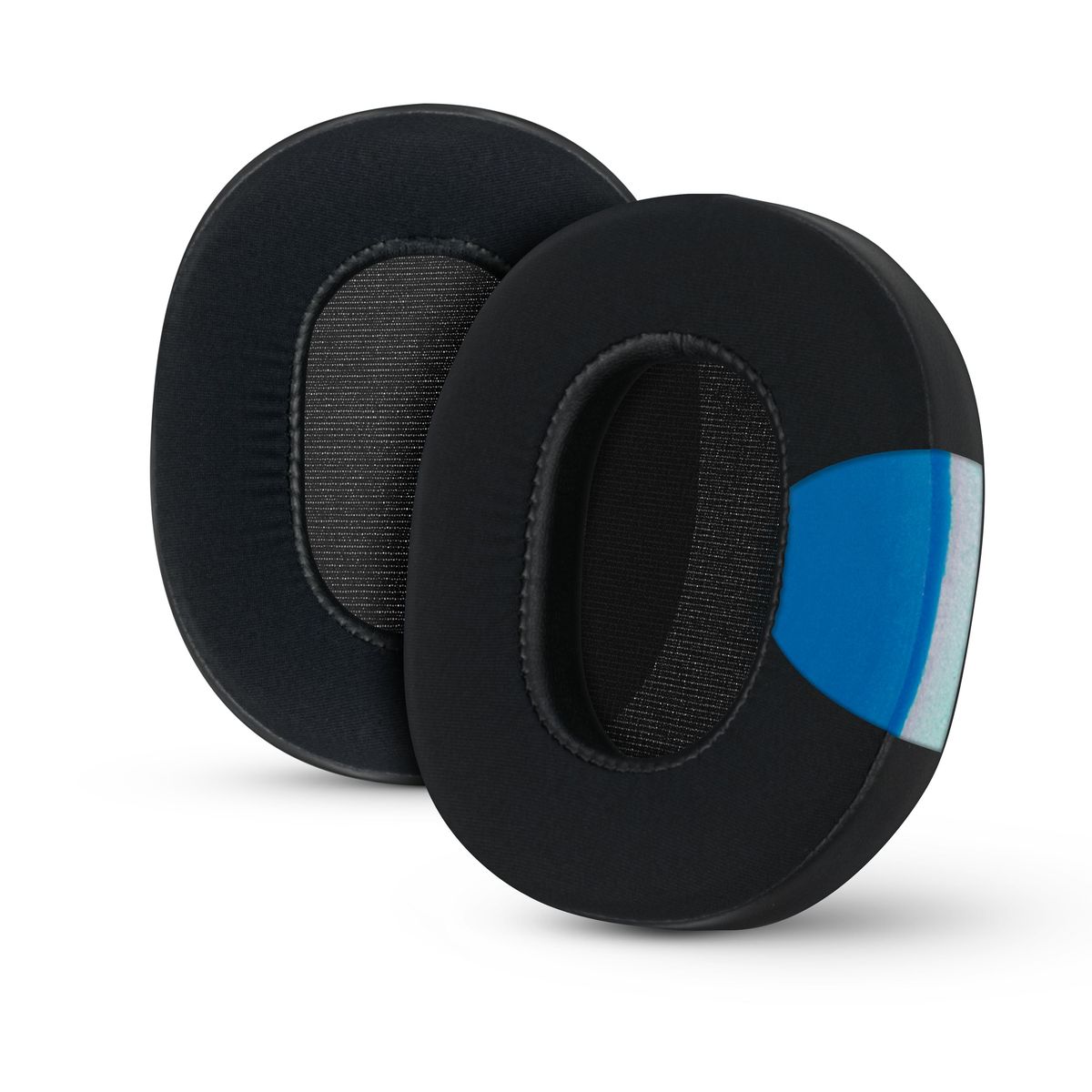
Brainwavz Hybrid Gel Earpads for Sony WH-1000XM5
Best Cooling GelBuy if: your XM5 pads make your ears hot after an hour
Don't buy if: you want the cheapest XM5 pad — basic protein leather costs less
The Hybrid Gel is Brainwavz's answer to the XM5's one real comfort flaw: the stock pads trap heat. A cooling gel layer sits under a soft fabric face, so the pad pulls warmth away from your ears while keeping the seal that leather gives. The foam underneath is thicker than stock, which takes pressure off the tops of your ears.
This pad fits the WH-1000XM5 only. Sony changed the mount between the XM4 and the XM5, so XM4 pads do not clip onto an XM5 — and the listing says so plainly. The gel layer adds a little weight, but the pad still clips on the same way, and the swap needs no tools.
Look — if your XM5s are fine in winter and unbearable by July, here's what actually works: a gel pad, not a new headphone. The fabric face breathes where leather sweats, and the gel does the rest. It is the only pick in this guide built around heat, and for hot ears it is the right one.
Pros
- Cooling gel layer pulls heat away from your ears
- Fabric face breathes better than leather
- Thicker memory foam than the stock XM5 pads
- Keeps the seal that protects bass and noise cancelling
Cons
- Fits the WH-1000XM5 only — not the XM4
- Gel layer adds a little weight
- $24.15 costs more than a basic XM5 pad
- Fabric face picks up dust and lint more than smooth leather
Price $24.15 on Brainwavz's store, checked 18 Nov 2026. Check the price before buying, as prices change.
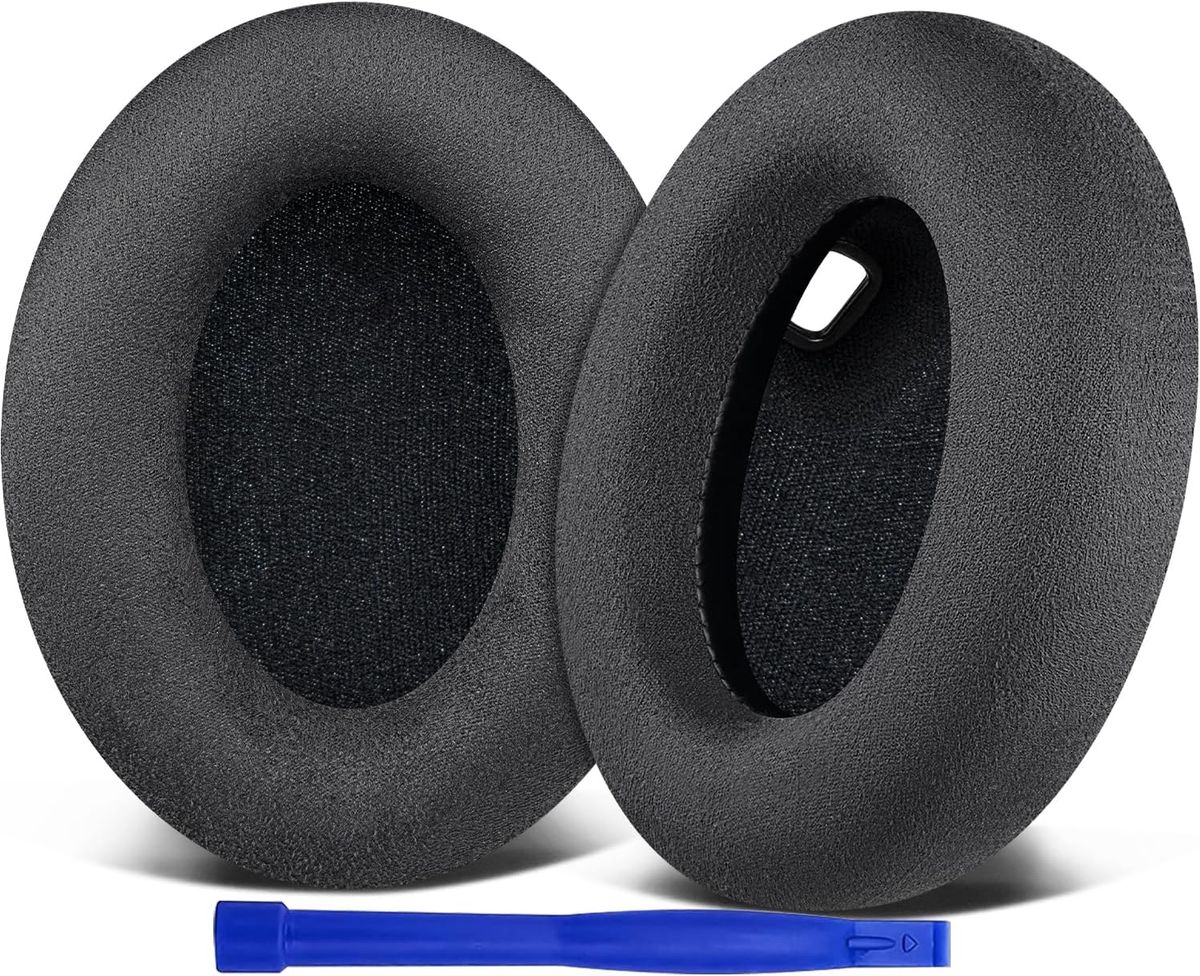
SOULWIT Earpads for Sony WH-1000XM4 – Micro Suede
Best Value XM4 RefreshBuy if: you want the cheapest honest refresh for your XM4
Don't buy if: you travel a lot — micro suede seals less tightly than leather, so ANC takes a small hit
The SOULWIT micro suede pads are the value pick for the XM4. Soft micro suede over memory foam, a fit made for the WH-1000XM4 exactly, and a prying tool in the box for the swap. At $19.95 they cost less than a takeaway, and they fix the two things that go wrong on the stock XM4 pads: the flattening foam and the peeling leather.
I've seen conflicting data on these — some listings price SOULWIT's XM4 pads at $19.95, others at $46.99 for what looks like the same pair. My read is the cheaper brand-direct price is the real street price, and the dearer listings are third-party markups. Buy the $19.95 pair from the brand's own store and you are paying the honest price.
Micro suede is the softest face in this guide, and the most forgiving on skin. The trade is the seal: suede breathes, so it lets a little more sound in and out than leather. On a quiet desk that does not matter. On a plane it does — a small thing, but know it before you buy.
Pros
- $19.95 — the cheapest pick in this guide
- Soft micro suede face, gentle on skin
- Made for the WH-1000XM4 exactly
- Install tool included in the box
Cons
- Suede seals less tightly than leather — ANC takes a small hit
- Fits the WH-1000XM4 only
- Suede shows wear and dirt faster than leather
- No cooling gel — hot ears get no help here
Price $19.95 on SOULWIT's store, checked 18 Nov 2026. Check the price before buying, as prices change.
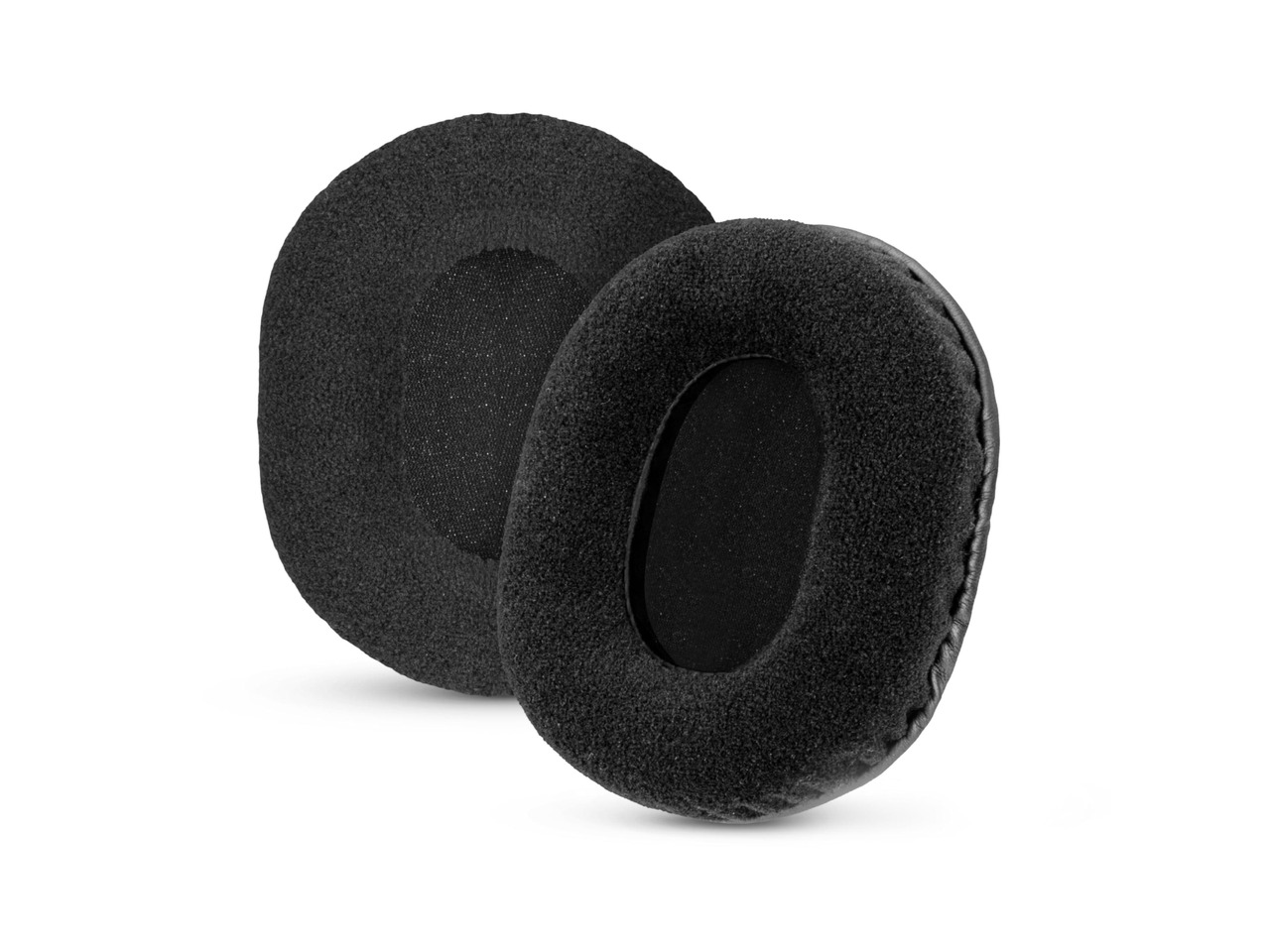
Brainwavz Velour Oval Earpads for ATH-M50x
Best for Glasses WearersBuy if: you wear glasses and your M50x pads press the arms into your head
Don't buy if: you mix or track with your M50x — velour changes the bass
The Velour Oval is the softest pad in this guide, and the easiest on glasses. Brainwavz builds it for the ATH-M50x, M50xBT, M40x and the rest of the M Series, with memory foam under a velour face that gives where leather pushes back. Spectacle arms sink into the velour instead of digging in.
The oval shape matters. Audio-Technica's M Series cups are oval, and a round pad stretched over them never seals right. This one is cut oval to match, so it sits flat all the way around. The same pad fits a long list of oval-cup headphones beyond the M Series — check the listing before you buy for another model.
Or maybe I should say it this way: velour is a comfort material first and a sound material second. It breathes, it forgives glasses, and it asks for one thing in return — a little bass and a little isolation. For long quiet sessions that trade is worth it. For the commute, buy the sheepskin at #5 instead.
Pros
- Softest face material in this guide — kindest to glasses
- Oval cut matches the M50x cups exactly
- Memory foam holds its shape
- Breathes — coolest pad here for long sessions
Cons
- $36.99 — the priciest pick in this guide
- Velour leaks sound and calms the bass
- Needs washing more often than leather
- Not the pick for travel or noise cancelling
Price $36.99, checked 18 Nov 2026. Check the price before buying, as prices change.
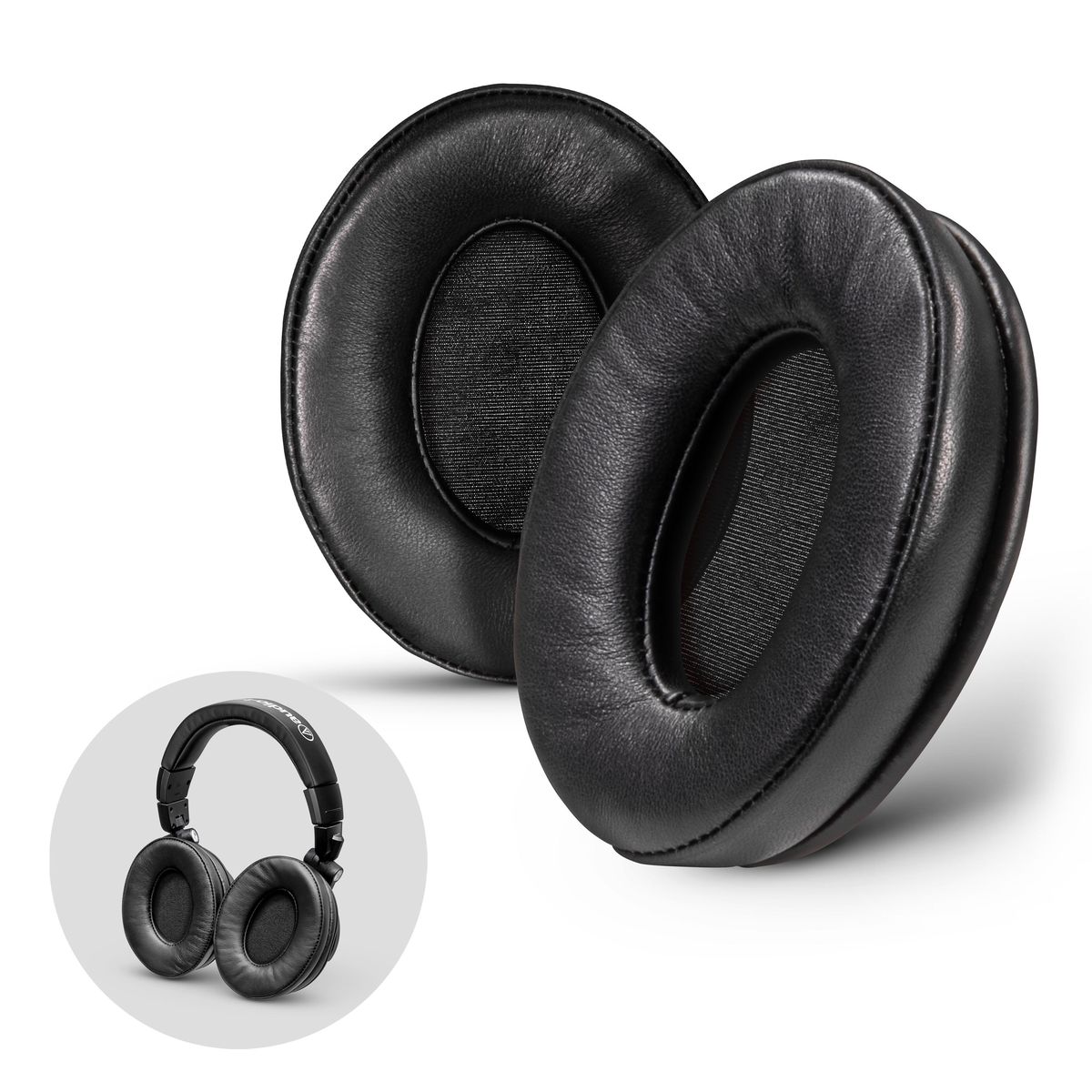
Brainwavz ProStock Sheepskin Earpads for ATH-M50x
Best Premium LeatherBuy if: you want the premium leather upgrade for your M50x
Don't buy if: your ears run hot — real leather seals warmth in
The ProStock is Brainwavz's premium M50x pad: real sheepskin leather over memory foam, cut to the exact shape of the M Series cups. Sheepskin is softer and tougher than the PU leather on the stock pads, and it does not flake the way cheap leatherette does after a year of sweat.
This is the pad for the listener who keeps the M50x for years. The custom shape means no stretching, no gaps and no guesswork — it goes on the way the stock pad does. The leather seals tight, so the bass and isolation stay close to what Audio-Technica intended.
Leather has one honest downside, and it is heat. A sealed leather pad keeps warmth against your ear, and after two hours you will feel it. If that sounds like you, the velour at #4 is the better buy. If you want the richest seal and the longest-lasting pad for your M50x, this is it.
Pros
- Real sheepskin leather — softer and tougher than PU
- Custom M50x shape, no stretching or gaps
- Seals tight, so bass and isolation stay true
- Outlasts cheap leatherette pads
Cons
- Leather traps heat on long sessions
- $31.15 costs more than PU leather pads
- Fits the M50x family only
- Needs an occasional wipe to keep the leather supple
Price $31.15 on Brainwavz's store, checked 18 Nov 2026. Check the price before buying, as prices change.
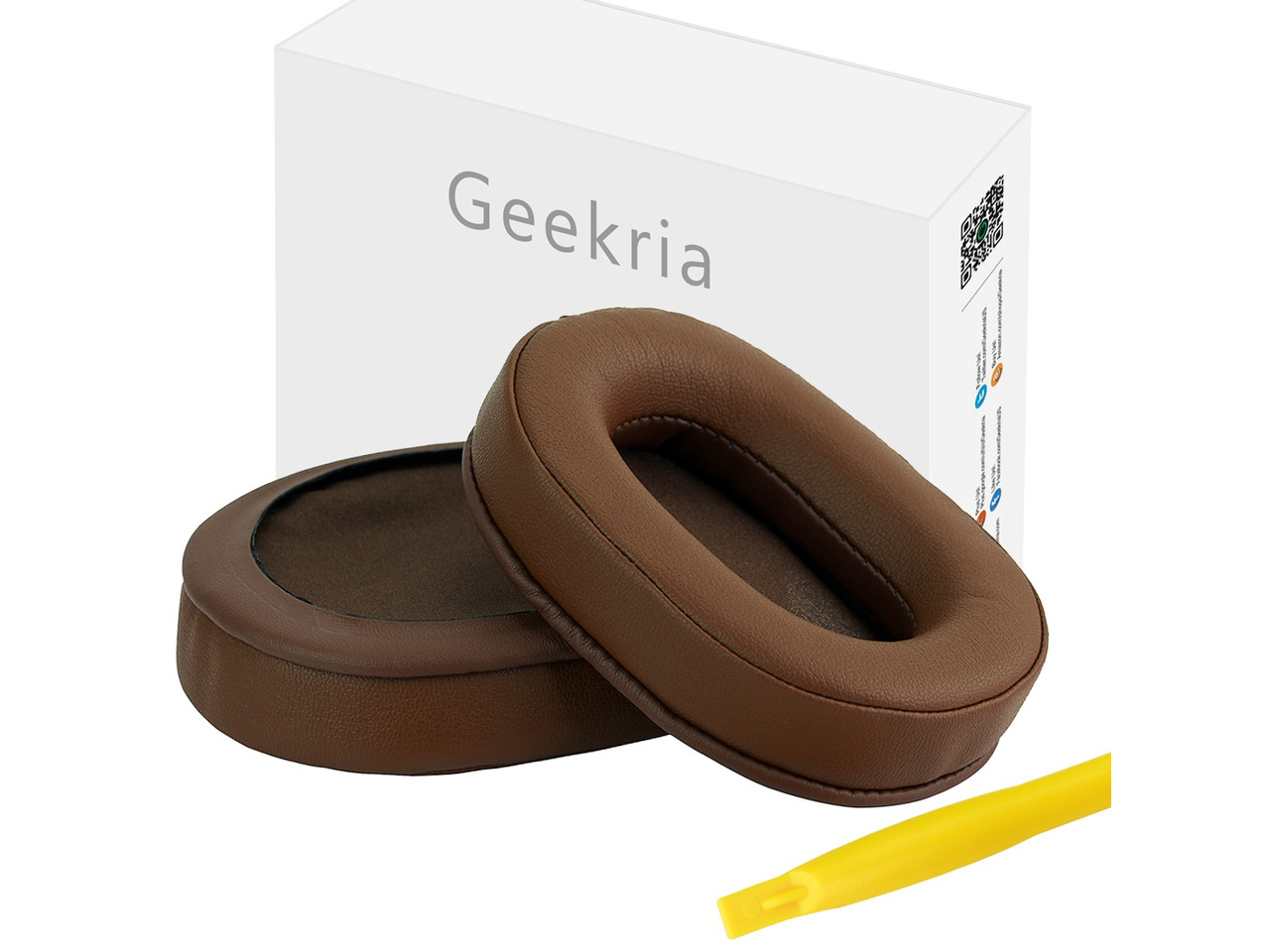
Geekria QuickFit Protein Leather Earpads for Sony MDR-7506
Best for Studio HeadphonesBuy if: you run MDR-7506s in a studio and need a cheap, exact refresh
Don't buy if: you want real leather — this is protein leather (PU), and it will peel one day like the stock pads
The MDR-7506 is the studio workhorse, and its stock pads are the first thing to go. Geekria's QuickFit pads are the cheap, exact fix: protein leather over foam, cut for the MDR-7506, V6, V7 and CD900ST, with a quick-fit lip that slides on without tools. At $19.99 they cost less than a single studio hour.
Geekria has been making 7506 pads for years, and it shows in the fit — the lip seats cleanly and the pad sits flat. The protein leather looks and feels close to the stock pads, which is the point: the 7506 sounds the way it does partly because of its pads, and a like-for-like refresh keeps that sound.
One honest warning: protein leather is PU, and PU peels. These pads will last a couple of years of daily use, then flake the way the stock pads did. That is the trade for $19.99. Keep a spare pair in the drawer — at this price it is cheap insurance.
Pros
- $19.99 — the cheapest studio refresh here
- Exact fit for MDR-7506, V6, V7 and CD900ST
- Quick-fit lip — no tools, no glue
- Like-for-like sound — keeps the 7506's tuning
Cons
- Protein leather (PU) will peel after a couple of years
- Basic foam, not the high-density memory foam of the pricier picks
- Fits Sony's studio line only — no Bose or Audio-Technica version in this listing
Price $19.99, checked 18 Nov 2026. Check the price before buying, as prices change.
How Do You Know Your Ear Pads Need Replacing?
Worn headphone ear pads show up as flat foam, peeling leather and weaker bass. According to beyerdynamic's ear pad guide, pads that no longer fit break the acoustic seal and let air escape, which thins the bass and weakens noise cancelling. Replace the pads when the foam stops springing back or the surface cracks.
Ear pads wear out faster than the headphones they sit on. According to beyerdynamic, sweat, dust, moisture and UV exposure all break the material down over time. Daily use in a warm room wears pads out in a year or two, while a desk pair kept dry lasts longer.
The signs are easy to spot once you know them. Foam that stays flat after you press it. Leather that flakes black bits onto your ears or your desk. A smell that survives a wipe. Ears that ache after an hour when they used to last all day. Bass that sounds thinner than you remember, or noise cancelling that seems weaker than it was.
If two of those sound familiar, the pads are done — the headphones are not.
How Do You Replace Headphone Ear Pads?
To replace headphone ear pads, follow these steps: 1. Tug a corner of the old pad to check for glue. 2. Peel the old pad off the ear cup. 3. Wipe the rim clean. 4. Slide the new pad's lip into the ear cup slot. 5. Work around the rim until the pad sits flat and even.
Replacing headphone ear pads takes about five minutes on most models. According to Audio-Technica's support guide, you pull the old pad off, slide the new pad's flange into the slot on the ear cup, then stretch it around until it sits flat. Both pads should be changed at the same time.
- Check for glue first. Tug a corner of the old pad gently. If it lifts, the pad clips or stretches on. If it resists, the pad is glued — reach for a prying tool, not force.
- Pull the old pad off. Work around the rim a little at a time. On Audio-Technica M Series models, pinch the inner and outer sections and lift straight up.
- Clean the rim. Wipe off dust and old adhesive with a dry cloth. Leave the thin foam ring around the driver in place — it is not part of the pad.
- Fit the new pad. Slide the lip into the slot on the ear cup, then stretch it around the rim until it sits flat. Rotating the pad slightly helps it seat.
- Check both sides. Press around the rim and look for gaps. A pad that sits unevenly leaks sound and feels wrong within minutes.
Some models add a wrinkle. Beyerdynamic's DT 770, 880 and 990 PRO pads need a hair dryer to warm the rubber rim before the new pad goes on. Beats pads are glued and need a prying tool plus fresh earpad tape. AirPods Max cushions are magnetic and just pull off. Check your maker's manual for your model before you start — the five minutes above cover most headphones, not all of them.
Change both pads together. One new pad and one flat pad feels lopsided within a day.
Which Replacement Ear Pads Fit My Headphones?
Ear pads are model-specific parts, closer to a phone case than to a cable. A pad built for a Bose QC35 will not fit a QC45. A Sony WH-1000XM4 pad will not clip onto an XM5. An Audio-Technica ATH-M50x pad fits by stretching over a lip that Bose and Sony models do not even have. Buy the pad that names your exact model in the listing title.
Near-identical model names hide incompatible pads. That is the trap that wastes the most money in this category: the listing says "fits Bose QuietComfort" and the buyer reads "fits my Bose". QuietComfort 35, QuietComfort 45, QuietComfort SE and the 2023 QuietComfort all take different pads. Sony's XM3, XM4 and XM5 do too.
Three checks before you pay. First, the listing title names your exact model — not the brand, not the line, the model. Second, the mount matches: clip, stretch lip, glue or magnetic. Third, the seller takes returns. If the title does not name your model, do not buy on a measurement guess alone — a millimetre off at the lip means a pad that never sits flat.
Here's an opinion that might get pushback: the original pads your headphones shipped with are not the best pads for them. Brands ship the cheapest pad that passes the test, not the most comfortable one. A $20 third-party pad often beats the stock pad on comfort — the only thing the stock pad wins on is the fit guarantee, and a pad that names your exact model gives you that too.
Do Replacement Ear Pads Change the Sound?
Yes. The pad sets the seal, and the seal sets the bass. A worn pad leaks air, so the low end thins out and the noise cancelling weakens. A fresh pad restores the seal, and the sound comes back with it.
Material moves the sound too. Velour breathes, so it calms the bass a little — on a closed-back Sony or Beats pair that can feel like a small step down in warmth. Protein leather seals tight, so it keeps the bass and the ANC as the maker tuned them. Cooling gel behaves like leather with a cooler face.
Thicker pads change the sound in a subtler way: they move your ear further from the driver, which opens the sound up a touch and softens the bass. Most people never notice. If you mix or master on your headphones, buy a like-for-like pad — the Geekria at #6 for the 7506, or the stock-shaped option for your model — and skip the thick comfort upgrades.
Velour, Leather or Cooling Gel — Which Material Should You Pick?
Velour vs protein leather vs cooling gel: velour is best for glasses wearers and long quiet sessions because it breathes. Protein leather is better for travel and noise cancelling because it seals tightest. Cooling gel works best when your ears run hot. The key difference is the seal: leather seals, velour breathes.
Protein leather is the safe default. It is a synthetic leather that feels close to the real thing, and it seals tight enough to protect bass and noise cancelling on travel headphones. The catch is wear: cheap PU leather peels and cracks after a year or two of sweat, which is why you are replacing the pads in the first place.
Velour is the comfort pick. It breathes, it forgives glasses, and it stays cool on long sessions. The price is isolation: velour blocks the least noise and calms the bass, so it suits a quiet room better than a plane. Real sheepskin leather splits the difference on durability — tougher and softer than PU — but it traps heat like any leather.
Cooling gel is the newest option, and the simplest to understand: a gel layer under fabric that pulls heat away while the pad keeps a leather-style seal. It is the pick for hot ears, long calls and warm rooms. It costs more than a basic pad, and it only fits the models it was cut for — gel does not come in a universal shape.
Buying Guide: What Actually Matters
To pick the right replacement ear pads, follow these steps: 1. Match the exact model. 2. Pick the material for how you use the headphones. 3. Check the mount type. 4. Replace both pads at once.
Match the exact model first. The listing title should name your headphone model word for word. Brand alone is not enough, and "fits most over-ear headphones" means it fits none of them properly.
Pick the material for the use, not the look. Leather for travel and noise cancelling. Velour for glasses and long quiet sessions. Gel for hot ears. A pad that looks good in a photo and seals badly is a bad pad.
Check the mount type before you pay. Clip-on pads snap off and on. Stretch-lip pads slide over a rim. Glued pads need a prying tool and fresh tape. Magnetic pads pull straight off. The wrong mount means a pad that will never sit right, however good the foam is.
Buy from a seller with returns. Fit is the one thing no review can promise for your exact pair, and a free return turns a wrong guess into a ten-minute fix instead of a wasted $25.
What to Skip
Universal pads that name no model. "Fits all over-ear headphones" is a promise no pad can keep — the lip, the clip and the size all differ by model.
Pads for the wrong near-twin. QC35 pads on a QC45, XM4 pads on an XM5, M50 pads on an M50x — close is not close enough, and the pad will gap at the rim.
The cheapest no-name pair in the results. Thin foam, wrong shape, PU that peels in months. A $10 pad you replace twice costs more than a $25 pad you replace once.
OEM pads at full price when a named third-party pad matches. The maker's own pads are fine, but they cost two or three times a good third-party pair for the same foam and leather.
Any pad whose listing hides the model list. If the seller will not say which headphones it fits, the seller does not know — and neither will you until the box arrives.
Frequently Asked Questions
What's the best replacement ear pad overall?
The Wicked Cushions WC PadZ QC35 at $28.95 — thicker memory foam and softer leather than the stock Bose pads. Sony XM5 owners should buy the Brainwavz Hybrid Gel instead.
How do I know which ear pads fit my headphones?
Match the exact model name in the listing title — QC35 pads don't fit a QC45, and XM4 pads don't fit an XM5. If your model isn't named, don't buy on a measurement guess.
Can I replace headphone ear pads myself?
Yes, most take about five minutes: pull the old pad off, slide the new pad's lip into the slot, work it around until it sits flat. Glued Beats pads need a prying tool and fresh tape.
Do replacement ear pads change the sound?
Yes. The seal sets the bass and the noise cancelling. Velour breathes and calms the bass; leather seals tight and keeps the bass and ANC as the maker intended.
How long do headphone ear pads last?
About one to two years of daily use. Sweat, heat and gym sessions wear them out faster; a dry desk pair lasts longer.
Are third-party ear pads as good as the originals?
Often better on comfort — thicker foam and softer leather than stock. The catch is fit: only buy a pad that names your exact model.
Should I buy velour or leather ear pads?
Buy leather for travel and noise cancelling, velour for glasses and long quiet sessions, and cooling gel if your ears run hot.