
Best Retro Handheld Consoles in 2026: 6 Picks
You've probably read three "best retro handheld" lists that disagree with each other. One still prints $179 for a handheld that was discontinued in September. Another recommends a model that doesn't exist any more. A third lists a Steam Deck next to a Game Boy clone, as if they're the same hobby. Meanwhile every listing shouts "20,000 games" and every model name looks like a typo.
A retro handheld console is a pocket-sized device that runs emulators — software that mimics old consoles — so you can play games from systems like the Game Boy, SNES and PlayStation 1 on one machine. The chip inside decides which systems it can run.
This guide is built on prices re-verified on 20 November 2026, with the exact model named on every pick — chip, screen and operating system together, because in this market the name alone tells you nothing. Six current handhelds, ranked by who each one is actually for, with the emulation ceiling stated plainly before any spec.
One note before the table: prices are maker-store prices, checked 20 November 2026, and exclude shipping, tax and duty. The US de minimis exemption ended in August 2025, so duty may apply on direct orders.
Quick Comparison
| Product | Key Specs | ||
|---|---|---|---|
| #1 | Anbernic RG35XX ProBest Budget / Best for Beginners | H700 · 3.5″ 640×480 IPS · dual sticks · ~$50 sale | Check Price |
| #2 | Miyoo Mini PlusBest Pocketable | SSD202D · 3.5″ 640×480 IPS · OnionOS · ~$55 | Check Price |
| #3 | Anbernic RG556Best Mid-Range Android | Unisoc T820 · 5.48″ 1080p AMOLED · 8GB · $174.79 sale | Check Price |
| #4 | Anbernic RG CubeBest Square Screen | Unisoc T820 · 3.95″ 720×720 IPS · 8GB · $122.99 | Check Price |
| #5 | Retroid Pocket 6Best Overall | Snapdragon 8 Gen 2 · 5.5″ 1080p AMOLED 120Hz · $244 | Check Price |
| #6 | Retroid Pocket NovaBest 4:3 Screen | QCS8550 · 4.5″ 1280×960 AMOLED 120Hz · $239 | Check Price |
Retroid Pocket 6 vs Pocket Nova: the Pocket 6 is better suited for PSP and widescreen games because its 5.5-inch 16:9 screen fits them. The Nova works better when your library is mostly PS1, N64 and PS2-era games. The key difference is the screen shape — same chip, $5 apart.
The best retro handheld console is the Retroid Pocket 6 at $244. According to Retro Dodo, it plays PS2 and GameCube games upscaled, with a 5.5-inch 120Hz AMOLED screen and a 6,000mAh battery. It suits buyers who want one device for everything from NES to PS2.
A $50 retro handheld plays everything through PlayStation 1 at full speed. According to the emulation consensus, the Anbernic RG35XX Pro handles NES, SNES, Game Boy Advance and PS1, with lighter N64 and Dreamcast titles playable. It cannot play PS2 or GameCube. That is the honest ceiling at this price.
You should spend $50 to $244 on a retro handheld console. The Anbernic RG35XX Pro at ~$50 covers everything through PS1. The Retroid Pocket 6 at $244 adds PS2 and GameCube. Paying more than that buys a bigger screen or a second display, not more playable systems.
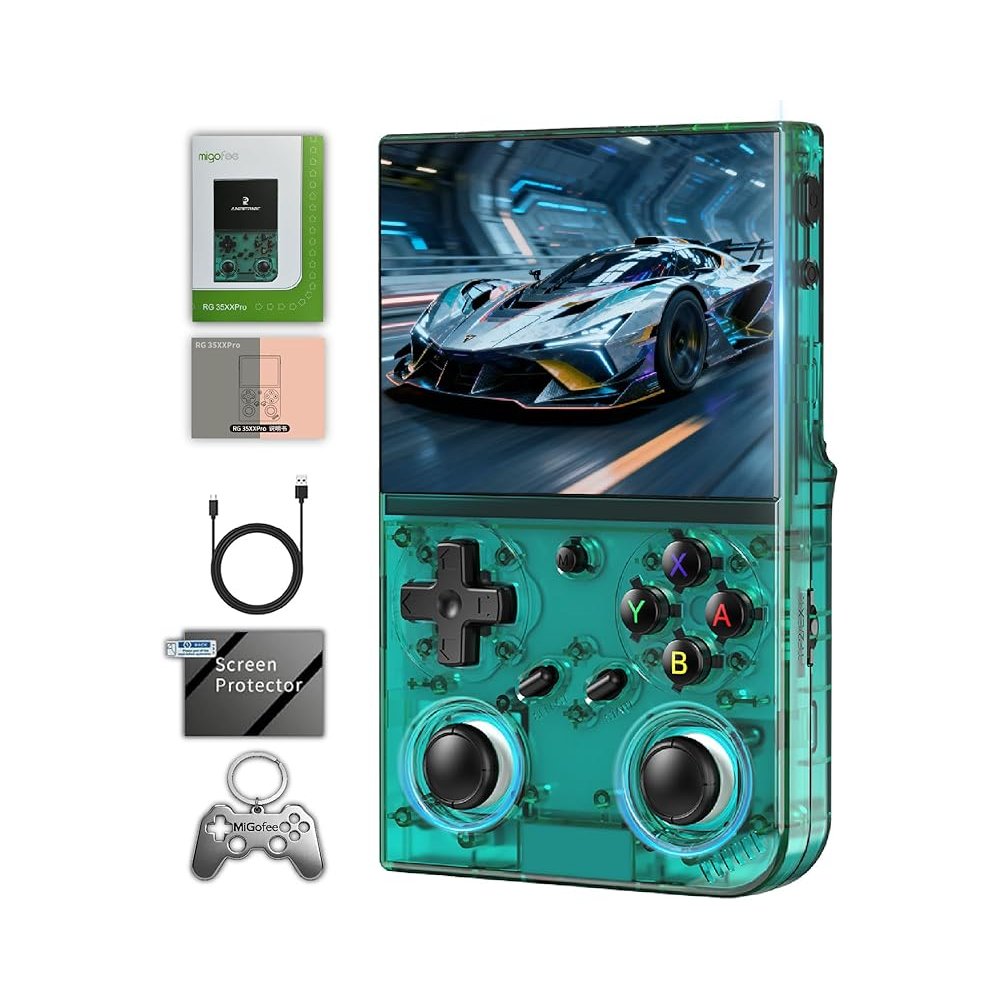
Anbernic RG35XX Pro
Best Budget / Best for BeginnersBuy if: you want the cheapest real retro handheld, and your library stops at PS1
Don't buy if: you need PS2 or GameCube — no $50 handheld plays those
The Pro is the 2025 refresh of Anbernic's best-selling budget line, and it's the one to buy because it fixes the old model's one weakness: the original RG35XX Plus had no analog sticks, so N64 and Dreamcast games were awkward. The Pro adds dual Hall-effect sticks, a vibration motor and mini HDMI — same H700 chip, same 3.5-inch 640×480 screen, same ~$50 price. For the games most people actually replay, nothing cheaper does the job better.
It's the default first handheld for a reason.
The ceiling is honest: NES, SNES, Game Boy Advance and PS1 run at full speed. N64 and Dreamcast are playable — LostInConsoles grades N64 a B and Dreamcast a B, PSP a C — while GameCube and PS2 are out of reach. The 3,200mAh battery is rated around 7 hours, and the Wi-Fi and Bluetooth mean you can update firmware and connect a controller without a cable.
Pros
- Dual Hall sticks and vibration at ~$50
- Huge community and firmware support (MuOS)
- Wi-Fi, Bluetooth and mini HDMI
- Plays everything through PS1 at full speed
Cons
- No PS2 or GameCube — the chip won't do it
- 1GB of RAM and Linux only, no Android
- The RG35XX name is a minefield — check it's the Pro, not the 2022 original
- 640×480 screen is soft for PSP
Anbernic's store lists the RG35XX Pro at ~$50 on sale (list $54.99) as of 20 November 2026.
Check Price on Amazon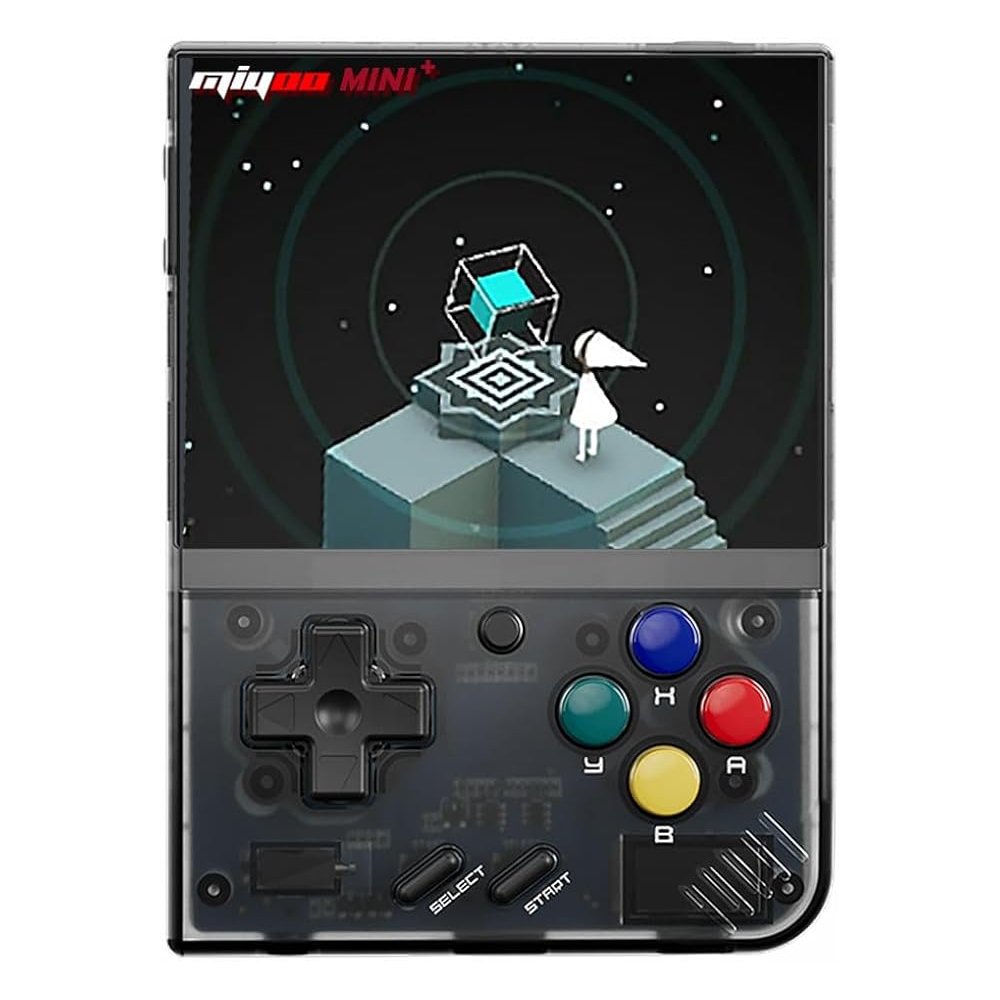
Miyoo Mini Plus
Best PocketableBuy if: you want the smallest handheld here and a library that stops at PS1
Don't buy if: you play N64 or Dreamcast — no sticks means no good way to control them
The Mini Plus is the pocket pick. It's barely bigger than a credit card stack, it slips into a jacket pocket, and the community OnionOS firmware turns it into the friendliest handheld in this guide — clean menus, save states everywhere, no setup faff. The 3.5-inch 640×480 screen is the same size as the Pro's, and for Game Boy, SNES and PS1 games it looks superb.
If it fits in your pocket, you'll actually play it.
The trade-off is the controls. There's no analog stick, so N64 and Dreamcast are playable at best and fiddly in practice, and PSP and DS are out. The SigmaStar chip is weaker than the Pro's H700, and the 3,000mAh battery is the smallest here. A faster V2 was announced in October 2026 at around €65 — worth knowing about, but the current model is the one you can buy today.
Pros
- The most pocketable pick here
- OnionOS is the friendliest firmware in its class
- Great 3.5-inch 4:3 screen for the price
- Huge community and cheap to replace
Cons
- No analog sticks — N64 and Dreamcast suffer
- Weaker chip than the RG35XX Pro
- No DS, PSP or Dreamcast worth playing
- A V2 is coming, which may date this one
Miyoo's store lists the Mini Plus at ~$55 (no card; card bundles run ~$60–$70) as of 20 November 2026.
Check Price on Amazon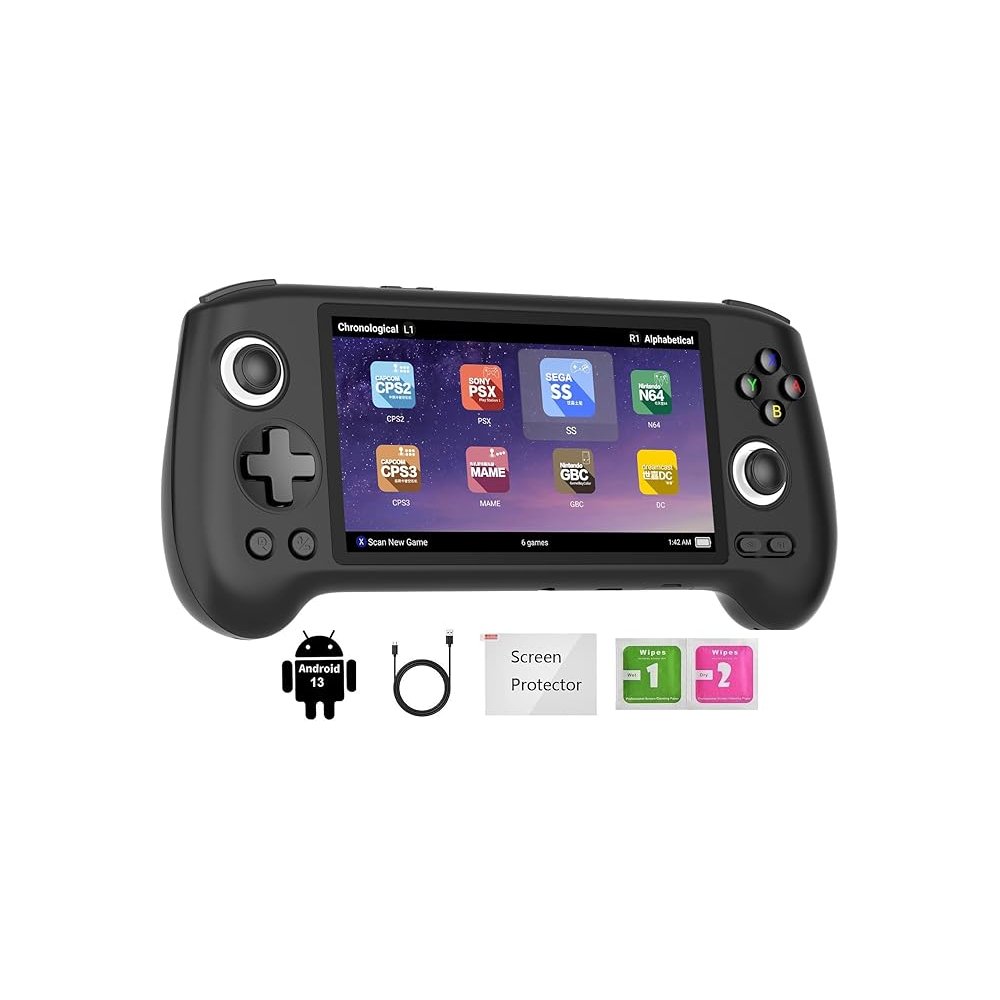
Anbernic RG556
Best Mid-Range AndroidBuy if: you want PS2 and GameCube on a big bright screen without spending $240
Don't buy if: your library is mostly 4:3 games — the 16:9 screen wastes a third of its width on black bars
The RG556 is where the ceiling jumps. The Unisoc T820 chip with 8GB of RAM runs N64, Dreamcast and PSP at full speed, and most PS2 games and lighter GameCube titles too. The 5.48-inch 1080p AMOLED screen is the best panel under $200 in this guide, and Android 13 means every emulator, every streaming app and every frontend is one download away.
It's the cheapest way into PS2.
The catch is the shape. A 16:9 screen is perfect for PSP and widescreen PS2 games, but PS1, N64 and Game Boy games are 4:3 — they sit in the middle with black bars on both sides. The 5,500mAh battery is rated around 8 hours, though PS2 at full tilt drains it faster. Hall sticks and active cooling keep it comfortable under load.
Pros
- 1080p AMOLED at $174.79 — the best screen under $200 here
- T820 plays most PS2 and lighter GameCube
- Android 13 opens every emulator and streaming app
- Hall sticks with active cooling
Cons
- 16:9 screen wastes space on 4:3 games
- 5.48 inches is big for a pocket
- Battery drops fast under PS2 load
- Android setup takes more fiddling than Linux
Anbernic's store lists the RG556 at $174.79 on sale (list $184.99) as of 20 November 2026.
Check Price on Amazon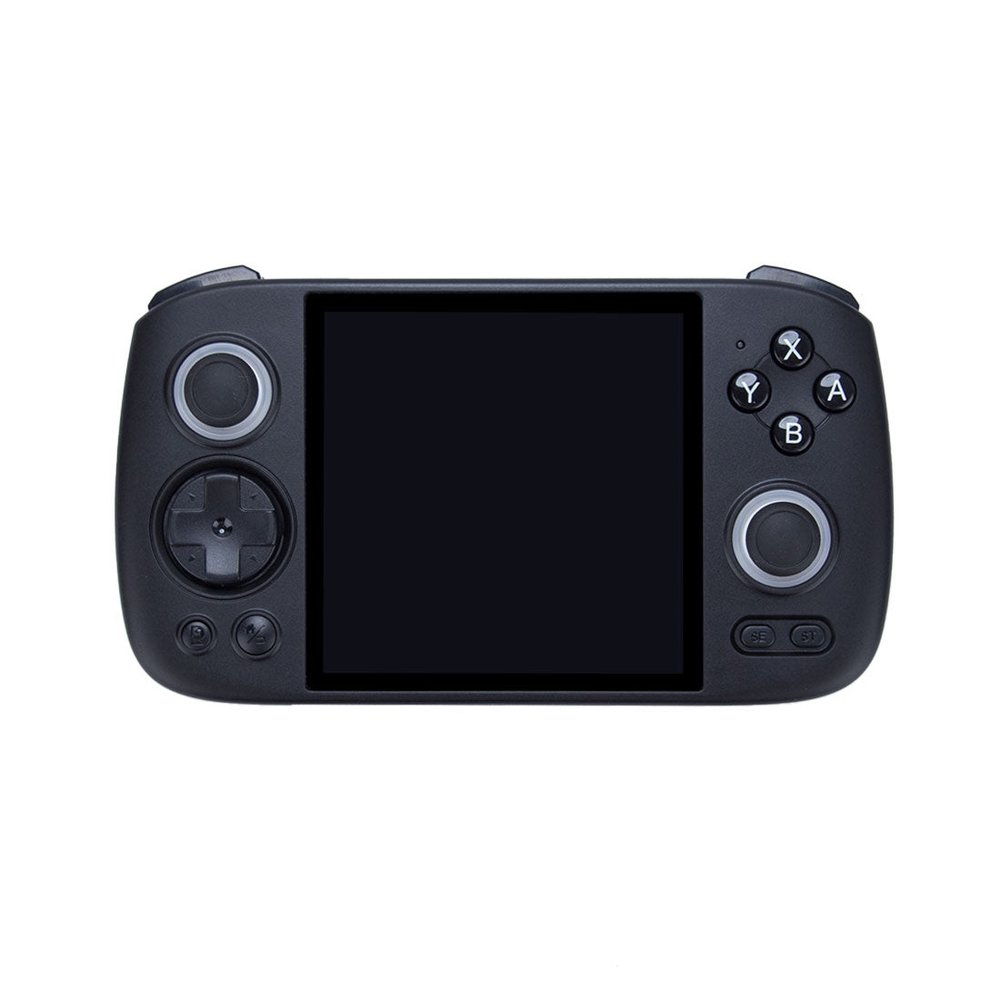
Anbernic RG Cube
Best Square ScreenBuy if: your library is mostly Game Boy, GBA, DS and 4:3-era games
Don't buy if: you mostly play PSP or widescreen PS2 — those letterbox on a square screen
The Cube is the RG556's chip in a different shape — same Unisoc T820, same 8GB of RAM, same Android 13 — but the 3.95-inch 720×720 square screen changes everything about how it feels. Game Boy Advance, DS and 4:3-era games fill the panel edge to edge, with no black bars. It's the handheld this guide's testers kept coming back to for the games they actually grew up with.
Same chip as the RG556, $52 less, and the right shape for old games.
GamesRadar named it their top retro handheld overall, and the price helps: $122.99 at Anbernic's store against the RG556's $174.79. The compromise runs the other way — PSP and widescreen PS2 games letterbox into a strip, and 720×720 is a lower resolution than the RG556's 1080p panel. The 5,200mAh battery is rated around 7 hours.
I've seen conflicting data — some sources list the RG Cube at $169.99, others at $122.99. My read is the $169.99 is the old list price and $122.99 is what Anbernic's store actually shows now, checked 20 November 2026.
Pros
- 1:1 screen is perfect for GBA, DS and 4:3 games
- Same T820 chip as the RG556 for $52 less
- RGB-ringed Hall sticks
- GamesRadar's top pick overall
Cons
- 16:9 games letterbox into a strip
- 720×720 is lower resolution than the RG556
- 5,200mAh battery is slightly smaller
- Android setup needs more fiddling than Linux
Anbernic's store lists the RG Cube at $122.99 (list $169.99) as of 20 November 2026.
Check Price on Amazon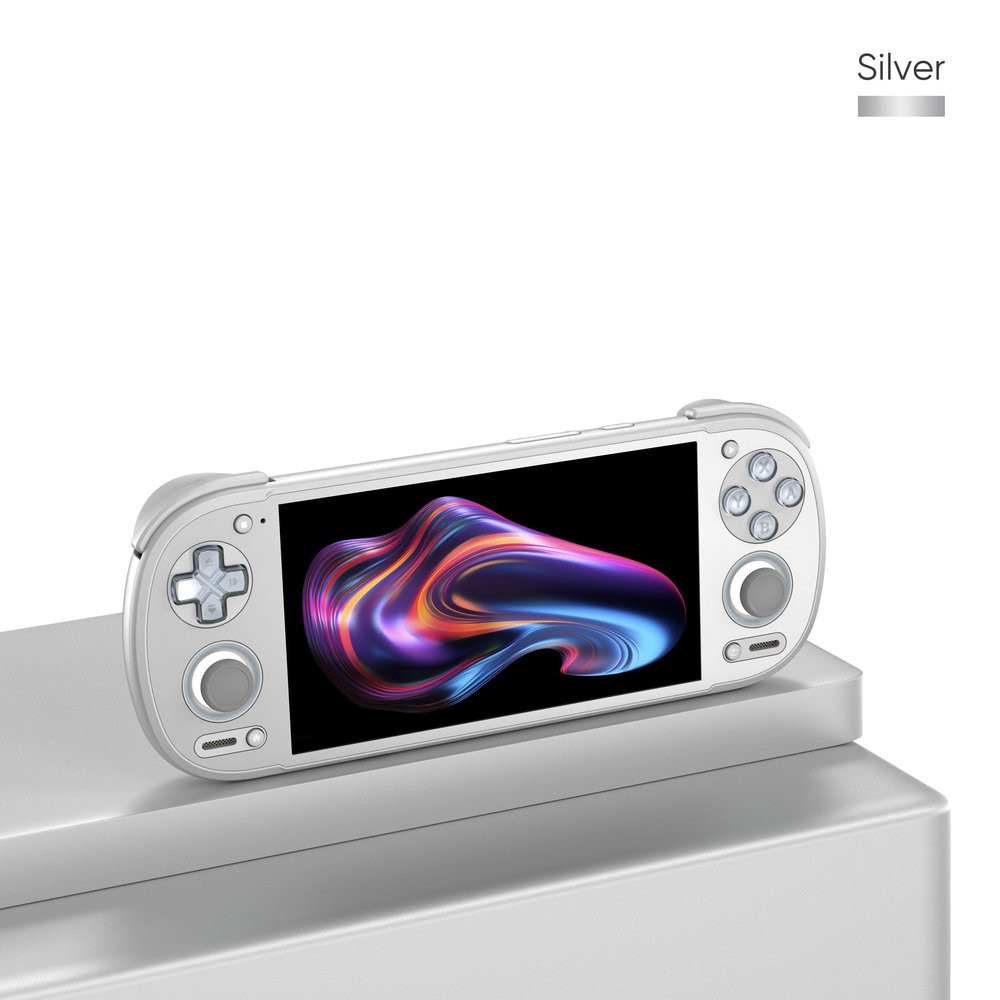
Retroid Pocket 6
Best OverallBuy if: you want one handheld for everything from NES to PS2, and you'll actually play PS2
Don't buy if: your library stops at PS1 — the $50 Pro plays all of it for a fifth of the price
The Pocket 6 is the best retro handheld you can buy right now, and it's not close. The Snapdragon 8 Gen 2 with 8GB of RAM (12GB on the $279 model) plays PS1, Dreamcast and PSP at 4× resolution, GameCube at 3× and heavier PS2 games at 1.5–2×, according to Retro Dodo's testing. The 5.5-inch 1080p AMOLED runs at 120Hz, and the 6,000mAh battery is the biggest here — Retro Dodo measured about 4.5 hours of mixed play, 6–8 hours on light games and 2.5–3 hours pushed hard.
It's the one device that covers the whole library.
Here's an opinion that might get pushback: most buyers should still start with the $50 Pro. The Pocket 6 is the better machine, but the extra $194 only buys PS2 and GameCube — systems many buyers never play. If those two systems are the reason you're shopping, buy the Pocket 6 and don't look back. If they're not, the Pro is the smarter spend.
The limits are real too. The fan is audible under load, Switch games are mixed at best — stutter and crashes, not a selling point — and the 12GB model ships with 128GB of storage, not the 256GB some listings still print.
Pros
- Fastest chip here — PS2 upscaled, not just playable
- 120Hz AMOLED, the best screen in the guide
- 6,000mAh battery, the biggest here
- Best controls in the class, per Retro Dodo
Cons
- $244 is five times the Pro for systems many buyers never play
- Fan is audible under load
- Switch is mixed, not a selling point
- 12GB model is 128GB storage, not 256GB
Retroid's store lists the Pocket 6 at $244 (8GB/128GB; 12GB/128GB is $279) as of 20 November 2026.
Check Price on Amazon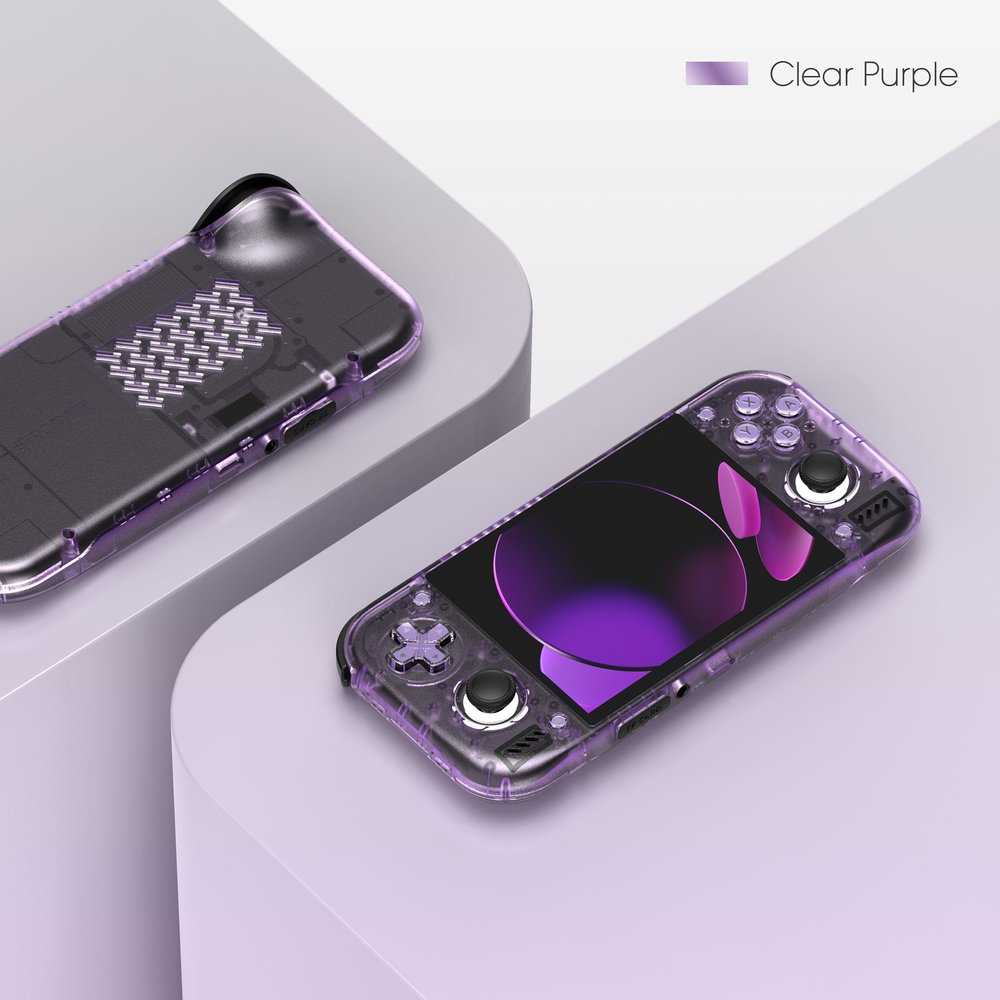
Retroid Pocket Nova
Best 4:3 ScreenBuy if: your library is mostly PS1, N64 and PS2-era games — the 4:3 screen fills them all
Don't buy if: you mostly play PSP or widescreen games — the 4.5-inch 4:3 panel is small for those
The Nova is the Pocket 6's chip in a different body. The Qualcomm QCS8550 is the same class as the Pocket 6's Snapdragon 8 Gen 2, and the price is $5 less — $239 against $244. What changes is the screen: a 4.5-inch 1280×960 AMOLED at 120Hz, in 4:3. PS1, N64 and PS2-era games fill it edge to edge, with no black bars at all.
Same chip, $5 less, and the right screen for the games that matter.
The trade-offs are the mirror image of the Pocket 6's. PSP and widescreen PS2 games feel cramped on 4.5 inches, the 5,000mAh battery is the smallest in the Android tier — Retro Dodo measured 3–5 hours on PS2 and 8–10 hours on SNES — and DS games need a screen-switch hotkey instead of a second screen. Translucent colours cost $5 more. If your library is 4:3, this is the better buy; if it's PSP, get the Pocket 6.
Pros
- 4:3 screen fills PS1, N64 and PS2 games with no bars
- Same chip class as the Pocket 6 for $5 less
- 27W fast charging
- Translucent colour options
Cons
- 4.5-inch screen is small for PSP and 16:9 games
- 5,000mAh battery is the smallest in the Android tier
- DS needs a hotkey workaround
- Translucent colours cost $5 more
Retroid's store lists the Pocket Nova at $239 (8GB/128GB; 12GB is $269) as of 20 November 2026.
Check Price on AmazonThree Honourable Mentions
Retroid Pocket 5 — $179 clearance, discontinued 14 September 2026. The Pocket 6's predecessor is still worth buying while stock lasts — Snapdragon 865, 5.5-inch 1080p AMOLED, the same Retroid build quality. Amazon lists it at $249, so don't pay that expecting a clearance price; the $179 figure is Retroid's own clearance, not Amazon's.
AYN Odin 2 Portal — $259 direct, $359 on Amazon. The biggest screen here: a 7-inch 1080p 120Hz OLED with an 8,000mAh battery. The original Odin 2 is discontinued; the Portal is the live AYN pick. Buy it if the screen matters more than the price.
AYN Thor Base — $329. The only pick with a real second screen, which makes it the best handheld for DS and 3DS games by a wide margin. The ergonomics get criticised, and the Thor Lite at $259 uses the older Snapdragon 865 — don't confuse the two.
The also-rans, one line each: the RG35XX Plus (~$50) is the Pro's chip without sticks — buy the Pro unless the Plus is $10+ cheaper. The RG35XX H (~$50.32 on sale) is the horizontal H700 with sticks, the best budget horizontal. The RG35XX SP ($52.19 on sale) is the GBA SP-style clamshell. The TrimUI Smart Pro (~$55–$90) has the biggest budget screen. The PowKiddy RGB30 ($60–$90) is a 1:1 square that needs more tinkering, and no November price was verified.
Which retro handheld should a beginner buy?
The Anbernic RG35XX Pro at ~$50. It's the cheapest pick here that plays everything through PS1 at full speed, it has dual sticks for the N64 and Dreamcast games you'll try next, and the setup is a microSD card and ten minutes — no Android fiddling, no firmware rabbit hole. If you're buying for a kid who's never held a Game Boy, don't overthink it — you'll want the cheapest one that won't frustrate them.
Start with the Pro. If you outgrow it — if PS2 is the system you keep coming back to — sell it and buy the Pocket 6. You will have spent $50 to learn what you actually play, which is cheaper than buying the $244 handheld first and discovering your library stops at PS1.
What can a $50 retro handheld actually play?
Everything through PlayStation 1, at full speed. NES, SNES, Game Boy, Game Boy Advance, Sega Genesis and PS1 all run perfectly on the $50 Linux handhelds. N64 and Dreamcast are playable — lighter games run well, heavier ones stutter — and PSP is playable on the Pro, not on the Miyoo. That is the honest ceiling at this price, and it's a generous one: most retro libraries stop at PS1 anyway.
| System | Under $100 (Pro / Miyoo) | $120+ Android (RG556 / Cube / Pocket 6 / Nova) |
|---|---|---|
| NES, SNES, GBA, PS1 | Full speed | Full speed |
| N64 | Playable (lighter titles) | Full speed |
| Dreamcast | Playable on the Pro; no on the Miyoo | Full speed |
| PSP | Playable on the Pro; no on the Miyoo | Full speed |
| GameCube | No | Lighter titles |
| PS2 | No | Most titles; upscaled on the Pocket 6 and Nova |
| Switch | No | Mixed — don't buy for Switch |
The Miyoo Mini Plus skips Dreamcast and PSP — no sticks, weaker chip. The RG35XX Pro plays both, lightly.
Or maybe I should say it this way: buy the chip for the newest system you want to play, not the one you grew up with. If the newest system in your library is PS1, the $50 tier is all you need. If it's PS2, the $175 tier is the floor.
Which retro handheld actually plays PS2 and GameCube?
Look — if you want PS2 games, here's what actually works: spend $175 or more on an Android handheld. The RG556 at $174.79 plays most PS2 games and lighter GameCube titles; the Pocket 6 at $244 upscales both. Nothing under $100 does it — the Linux chips top out at PS1, and any listing that says otherwise is selling you a dream.
Here's the thing: "plays PS2" is not one thing. Some games run at full speed, some need settings tweaks, and a few won't run at all. The Pocket 6 handles the widest range, the Nova matches it, and the RG556 and Cube cover the lighter end. Check your specific games against Retro Game Corps' or Retro Dodo's compatibility lists before you buy — per-game, not per-system.
GameCube is the same story, one notch easier. Lighter titles run well on the RG556 and Cube; the Pocket 6 and Nova upscale them. Switch is the hard line: even the Pocket 6 runs it inconsistently, and no handheld here is a Switch replacement.
Retroid Pocket 6 or Pocket Nova — which should you buy?
Buy the Pocket 6 if you play PSP or widescreen games. Buy the Nova if your library is PS1, N64 and PS2-era games. The $5 difference is noise — the screen shape is the whole decision.
The Pocket 6's 5.5-inch 16:9 screen fits PSP and widescreen PS2 games properly, and its 6,000mAh battery outlasts the Nova's 5,000mAh. The Nova's 4.5-inch 4:3 screen fills older games edge to edge, and its 27W charging tops up faster. Same chip class, same Android, same price — pick the screen that matches your library.
Are retro handhelds legal?
Yes — the hardware and the emulators are legal. Emulators are software that mimics old consoles, and writing or selling them is lawful. Downloading games you don't own is piracy in most countries. Buy your games, or rip your own discs and cartridges, and you're on solid ground.
The trap is the "20,000 games preloaded" listing. Those games are unlicensed ROMs on an unbranded microSD card that fails often — and when it fails, the whole library goes with it. Budget about $10 for a name-brand SanDisk or Samsung card and replace the bundled one before you build a library. It's the cheapest insurance in this hobby.
Anyway, the same rule applies to the firmware: use the community firmware your model supports (MuOS for the Pro, OnionOS for the Miyoo) and keep a backup of your saves on a second card.
The Names That Will Trip You Up
Six names in this market each hide two or three different handhelds. Check the model, the chip and the screen on the listing — the name alone will not save you.
The RG35XX family
| Name on the Box | What It Actually Is |
|---|---|
| RG35XX (2022) | The original — weak ATM7039S chip, 256MB of RAM. Avoid unless it's nearly free. |
| RG35XX 2024 | H700 chip, 2,600mAh battery. Better, but no sticks. |
| RG35XX Plus | H700, 3,300mAh, no sticks. Same chip as the Pro — buy the Pro instead unless the Plus is $10+ cheaper. |
| RG35XX H | H700, horizontal, dual sticks, mini HDMI. Best budget horizontal. |
| RG35XX SP | H700, GBA SP-style clamshell. The flip form factor, same chip. |
| RG35XX Pro | H700, dual sticks, vibration, mini HDMI. The pick in this guide. |
Firmware is not interchangeable between models — check the model before flashing anything.
The lookalikes
| Confusing Pair | The Difference |
|---|---|
| RG Cube vs RG CubeXX | Cube: Android, T820, 8GB, 720×720, ~$123–$170. CubeXX: cheaper Linux handheld, ~$52–$59. Different machines, different prices — never mix them. |
| Pocket 6 vs Nova vs Pocket 5 | 6: 16:9 5.5-inch, $244. Nova: 4:3 4.5-inch, $239, same chip class. 5: older Snapdragon 865, discontinued, $179 clearance while stock lasts. |
| Odin 2 vs Odin 2 Portal vs Odin 3 | Original Odin 2: discontinued. Portal: the live AYN pick, $259. Odin 3: newer, $369, Dragonwing Q8 chip. |
| Thor Base vs Thor Lite | Base: $329, Snapdragon 8 Gen 2, real second screen. Lite: $259, older Snapdragon 865. |
| RG34XXSP vs RG35XX SP | Different clamshells — 3.4-inch 720×480 3:2 vs 3.5-inch 640×480 4:3. Anbernic's own page conflicts on the RG34XXSP's RAM (1GB vs 2GB). |
Buying Guide: What Actually Matters
Four things decide the buy, in this order: the newest system you want to play, the screen shape that fits those games, the battery, and the price. Everything else — RGB rings, translucent shells, bundled accessories — is decoration.
To set up a retro handheld, follow these steps: 1. Charge it fully before first use. 2. Replace the bundled microSD card with a name-brand one. 3. Install the community firmware your model supports. 4. Add games you already own. 5. Back up your saves to a second card.
- Charge the handheld fully before first use.
- Replace the bundled microSD card with a name-brand one.
- Install the community firmware your model supports.
- Add only games you already own.
- Back up your saves to a second card.
Buy the chip for the newest system, not the one you grew up with. Match the screen to the games — 4:3 for PS1-era, 16:9 for PSP. And buy from the maker's store or a known seller: the cheapest listing for a popular model is usually a clone, a different model, or a "20,000 games" trap.
What to Skip
R36S and no-name Amazon clones. "20,000 games" listings, unbranded cards, no support. Skip them — the $50 Pro is the same money for a real device.
Analogue Pocket, Evercade and Super Pocket. Cartridge systems — a different hobby, not emulation handhelds. Great devices, wrong list.
Steam Deck, Switch 2 and ROG Ally. Full PCs and consoles, not retro handhelds. If that's what you actually want, our handheld gaming PC guide ranks them — a Steam Deck costs $789, not $50, and plays a different library.
The 2022 RG35XX. The original ATM7039S model is too weak and has been superseded twice. If a listing won't name the chip, the chip is the problem.
Frequently Asked Questions
What's the best retro handheld for a beginner?
The Anbernic RG35XX Pro at ~$50. It plays everything through PlayStation 1, has dual sticks, and needs no setup beyond a microSD card. Start there; upgrade only if you outgrow it.
Can a retro handheld play PS2 games?
Yes, but only the Android models at $175 and up — the RG556, RG Cube, Pocket 6 and Pocket Nova. The $50 Linux handhelds stop at PS1, with lighter N64 and Dreamcast at best.
Are retro handhelds legal?
The hardware and the emulator software are legal. Downloading games you don't own is piracy in most countries. Buy your games, or rip your own discs and cartridges.
Should I replace the SD card that comes in the box?
Yes. The bundled card is unbranded and fails often. A name-brand SanDisk or Samsung microSD costs about $10 and saves your whole library from vanishing.
What's the difference between the Retroid Pocket 6 and the Pocket Nova?
The chip is the same class and the price is $5 apart. The Pocket 6 has a 5.5-inch 16:9 screen; the Nova has a 4.5-inch 4:3 screen. Buy the 6 for PSP, the Nova for PS1 and N64.
Can I play Switch games on a retro handheld?
Not reliably. Even the Pocket 6 runs Switch games inconsistently, with stutter and crashes. No handheld here is a Switch replacement — buy a real Switch for that.
Which retro handheld is best for DS games?
The AYN Thor Base at $329 is the only pick with a real second screen. Otherwise, the Pocket Nova at $239 runs DS with a screen-switch hotkey — playable, but a compromise.