Best Headphones for Glasses Wearers (2026)
Your temples hurt again. The music sounds thinner, too. If you have already tried sliding your frames higher, taking your headphones off every half hour, or putting up with a headache because the sound was good, you know this fight well: headphones and glasses want the same space on your head. The wrong pair presses your frames into your temples, breaks the earcup seal, and kills bass and noise cancelling within the hour.
Look — if you wear glasses all day and your current pair hurts by lunch, here is what actually works. You don't need to ditch over-ears, it won't always mean spending flagship money, and it doesn't take long to spot the right design. Here's the thing: clamp and cushion depth decide comfort, not the logo. Or maybe I should say it this way — soft pads and a gentle squeeze beat big specs every time.
Headphones for glasses wearers are defined as headphones designed to avoid pressing glasses arms into your temples. The best use light clamping force and deep memory-foam cushions, or skip earcups entirely with earbuds and open-ear designs.
The right pair has gentle clamping force and deep memory-foam cushions that mould around your glasses arms — or skips the problem entirely with earbuds or open-ear designs. My pushback-able take: comfort beats sound quality for glasses wearers, even at flagship prices, because a painful pair stays in its case while a comfortable pair gets worn daily. Based on specifications, professional reviews, and glasses-wearer feedback, these are the best headphones for glasses wearers in 2026. Check current pricing before buying.
Our Top Headphone Picks for Glasses Wearers
Headphones for glasses wearers work best when clamping force stays gentle and cushions mould around frame arms. According to glasses-wearer feedback summarised in this guide, light clamp plus memory foam keeps comfort through long sessions. Strong clamp drives arms into temples and breaks the earcup seal quickly.
Whether glasses ruin noise cancelling depends on how much the frame arm breaks the earcup seal. According to the buying guide below, soft memory-foam pads limit leaks, and Bose and Sony ANC compensates well. Bass may dip slightly, but good models rarely lose their quiet completely.
The best headphones for thick-framed glasses need deep cups, or a design with no earcups at all. Thick plastic arms under shallow pads cause the worst temple pressure during long listening sessions. Earbuds and open-ear models remove that pressure entirely because nothing presses on your frames.
I have seen conflicting data on noise cancelling — some wearers say glasses ruin it, others notice barely any change. My read is that pad softness decides which result you get with your frames.
- Bose QuietComfort Ultra Headphones — Best overall for glasses wearers
- Sony WH-1000XM6 — Best sound and features
- Bose QuietComfort SC — Best value noise cancelling
- Anker Soundcore Life Q30 — Best under $100
- Shokz OpenRun Pro 2 — Best open-ear (zero pressure)
- Sony WF-1000XM5 — Best earbuds (no contact at all)
- AKG K371 — Best wired studio headphones
Best Headphones for Glasses Wearers: Full Reviews
Our Top Pick
Bose QuietComfort Ultra Headphones
Best Overall for Glasses Wearers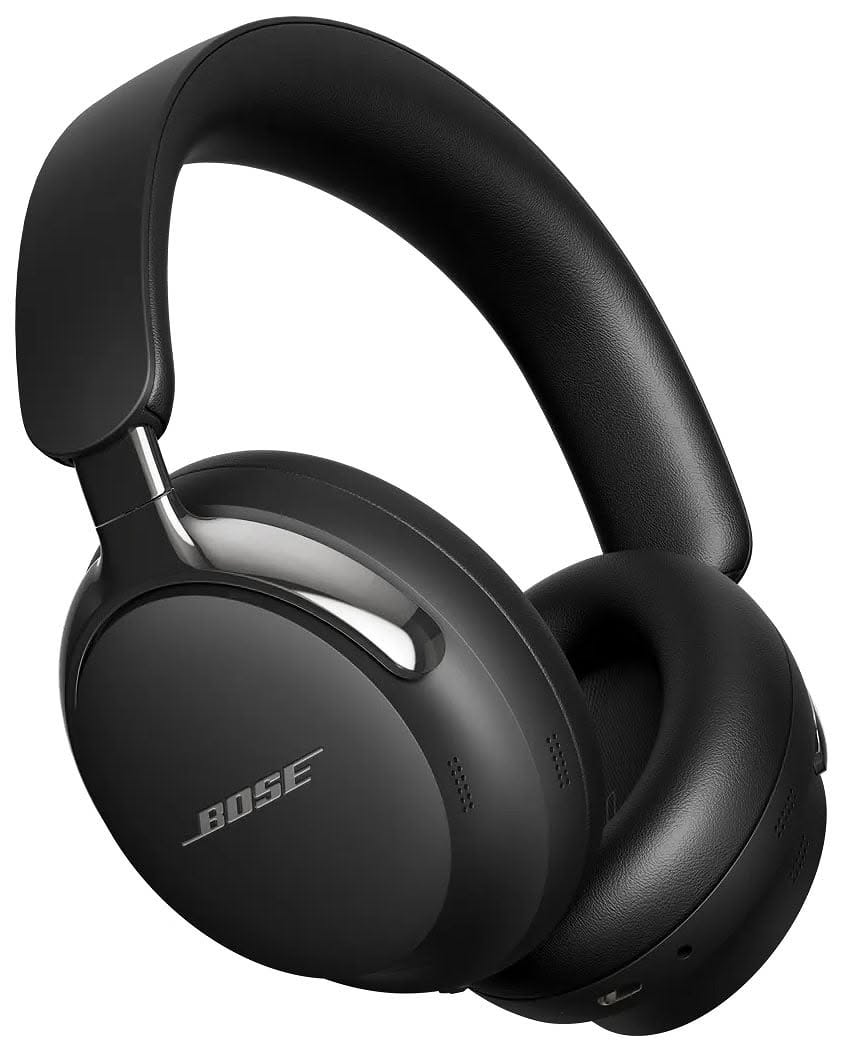
Bose built its reputation on comfort, and the QC Ultra is the current peak: cloud-soft earcups, a light clamp that doesn't press frames into temples, and noise cancelling that stays effective even with glasses arms break…
Check Price on AmazonQuick Comparison
| Product | Key Specs | ||
|---|---|---|---|
| #1 | Bose QuietComfort Ultra HeadphonesBest Overall for Glasses Wearers | Plush memory-foam cushions with light clamping force · Class-leading noise cancellation · ~24-hour battery life (ANC on) | Check Price |
| #2 | Sony WH-1000XM6Best Sound and Features | Redesigned soft earcups with reduced clamping force · Industry-leading noise cancellation (12 microphones) · ~30-hour battery life; 3-min charge = 3 hours | Check Price |
| #3 | Bose QuietComfort SCBest Value Noise Cancelling | Same comfort-first QC design language · Effective active noise cancellation · ~24-hour battery life | Check Price |
| #4 | Anker Soundcore Life Q30Best Under $100 | Large oval earcups with memory-foam padding · Hybrid active noise cancellation · ~40-hour battery life (ANC on) | Check Price |
| #5 | Shokz OpenRun Pro 2Best Open-Ear (Zero Pressure) | Bone-conduction design — nothing covers or presses ears · Zero contact with glasses arms · ~12-hour battery life; quick charge | Check Price |
| #6 | Sony WF-1000XM5Best Earbuds (No Contact at All) | True wireless earbuds — zero interaction with glasses · Excellent noise cancellation for earbuds · ~8-hour battery (+24h with case) | Check Price |
| #7 | AKG K371Best Wired Studio Headphones | Closed-back over-ear studio headphones · Slow-retention foam pads adapt to glasses frames · Lightweight 255g design | Check Price |
Bose QuietComfort Ultra Headphones
Best Overall for Glasses WearersBuy if: you're after exceptional long-session comfort and top-tier ANC
Don't buy if: you can't live with the premium price and touch controls have a learning curve
Bose built its reputation on comfort, and the QC Ultra is the current peak: cloud-soft earcups, a light clamp that doesn't press frames into temples, and noise cancelling that stays effective even with glasses arms breaking the seal slightly. Based on specifications and glasses-wearer feedback, it's the safest recommendation for all-day wear with eyewear.
It's a premium purchase, and the touch controls take a day to learn. But for the specific problem of headphones-plus-glasses comfort, nothing in this roundup is more proven. For studio-style sound without wireless, see our best studio headphones guide.
Pros
- Exceptional long-session comfort
- top-tier ANC
- light clamp ideal for glasses
- multipoint Bluetooth.
Cons
- Premium price
- touch controls have a learning curve
- no aptX support.
Full specifications
- Plush memory-foam cushions with light clamping force
- Class-leading noise cancellation
- ~24-hour battery life (ANC on)
- Bluetooth multipoint; spatial audio mode
- Folds flat for travel
Prices change frequently — click through to see today's price.
Sony WH-1000XM6
Best Sound and FeaturesBuy if: you're looking for superb ANC and sound
Don't buy if: the highest price tier and touch controls can be finicky are dealbreakers for you
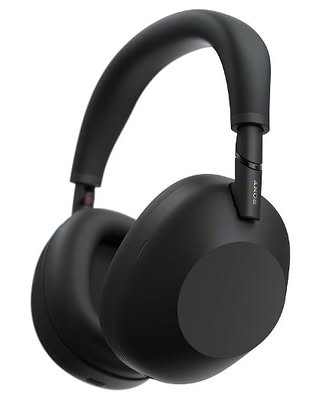
Sony's XM6 refines the XM5's already glasses-friendly design with softer cushions and a gentler clamp, while pushing noise cancellation and call quality further. The 30-hour battery is class-leading, LDAC support pleases Android hi-res listeners, and features like Speak-to-Chat (music pauses when you talk) are genuinely useful day to day.
It's priced at the very top of the market. Glasses wearers choosing between this and the Bose should know: Sony wins on features and battery, Bose wins on pure out-of-box comfort — both are excellent with eyewear.
Bose QuietComfort Ultra vs Sony WH-1000XM6: the Bose is better suited for all-day glasses comfort because its clamp feels lighter. The Sony works better when battery life and features matter most. The key difference is pure comfort versus feature depth.
Comfort wins ties.
Pros
- Superb ANC and sound
- 30-hour battery
- LDAC support
- great microphones for calls.
Cons
- Highest price tier
- touch controls can be finicky
- slightly firmer clamp than Bose.
Full specifications
- Redesigned soft earcups with reduced clamping force
- Industry-leading noise cancellation (12 microphones)
- ~30-hour battery life; 3-min charge = 3 hours
- Multipoint Bluetooth; LDAC hi-res audio
- Speak-to-Chat auto-pause
Prices change frequently — click through to see today's price.
Bose QuietComfort SC
Best Value Noise CancellingBuy if: you need Bose comfort at a value price and solid ANC
Don't buy if: you won't accept ANC and sound trail the Ultra
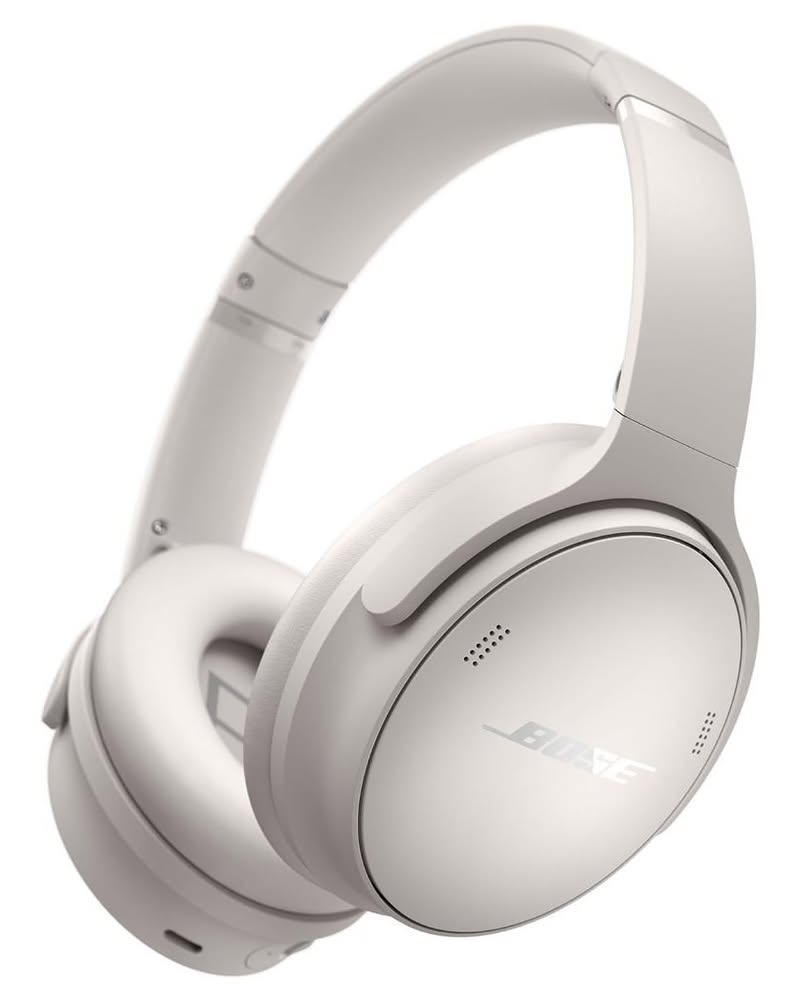
The QC SC (SoundLink-era value pick in Bose's lineup) delivers the core Bose comfort formula — soft pads, light clamp, easy all-day wear with glasses — at a much friendlier price than the Ultra. Noise cancellation is a step below the flagship but still strong for offices, commutes, and flights.
Think of it as 85% of the Ultra's comfort and quiet for roughly half the money when discounted. If the Ultra's price stings, start here — your temples won't know the difference.
Pros
- Bose comfort at a value price
- solid ANC
- light and foldable
- frequent discounts.
Cons
- ANC and sound trail the Ultra
- fewer premium features
- plasticky build.
Full specifications
- Same comfort-first QC design language
- Effective active noise cancellation
- ~24-hour battery life
- Lightweight foldable design
- Often discounted well below the Ultra
Prices change frequently — click through to see today's price.
Anker Soundcore Life Q30
Best Under $100Buy if: you prefer unbeatable value and comfortable large cups
Don't buy if: you can't live with sound needs EQ tweaking and plasticky build
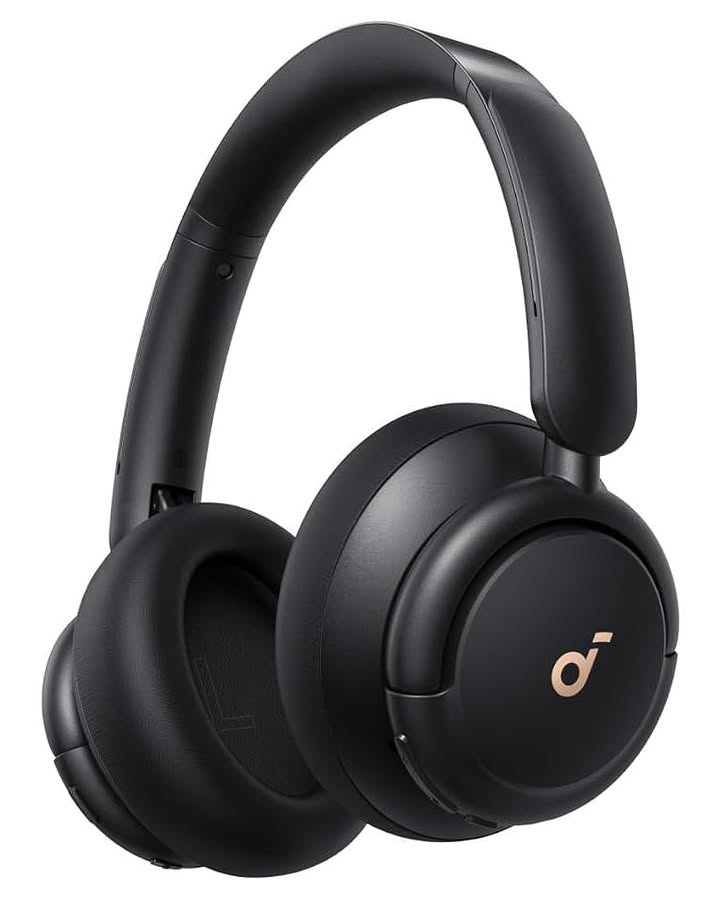
The Q30 is the budget miracle of this category: big, soft earcups that comfortably clear glasses arms, genuinely effective ANC, and 40-hour battery — specs that embarrassed $300 headphones a few years ago. Based on specifications and owner feedback, it's the best sub-$100 option for glasses wearers by a wide margin.
Sound quality is good-not-great (the app EQ helps a lot), and the plastic build feels its price. But for comfort-per-dollar with glasses, nothing else is close.
Pros
- Unbeatable value
- comfortable large cups
- 40-hour battery
- effective ANC for the price.
Cons
- Sound needs EQ tweaking
- plasticky build
- microphones are mediocre for calls.
Full specifications
- Large oval earcups with memory-foam padding
- Hybrid active noise cancellation
- ~40-hour battery life (ANC on)
- Multipoint Bluetooth; customizable EQ via app
- Frequently available well under $100
Prices change frequently — click through to see today's price.
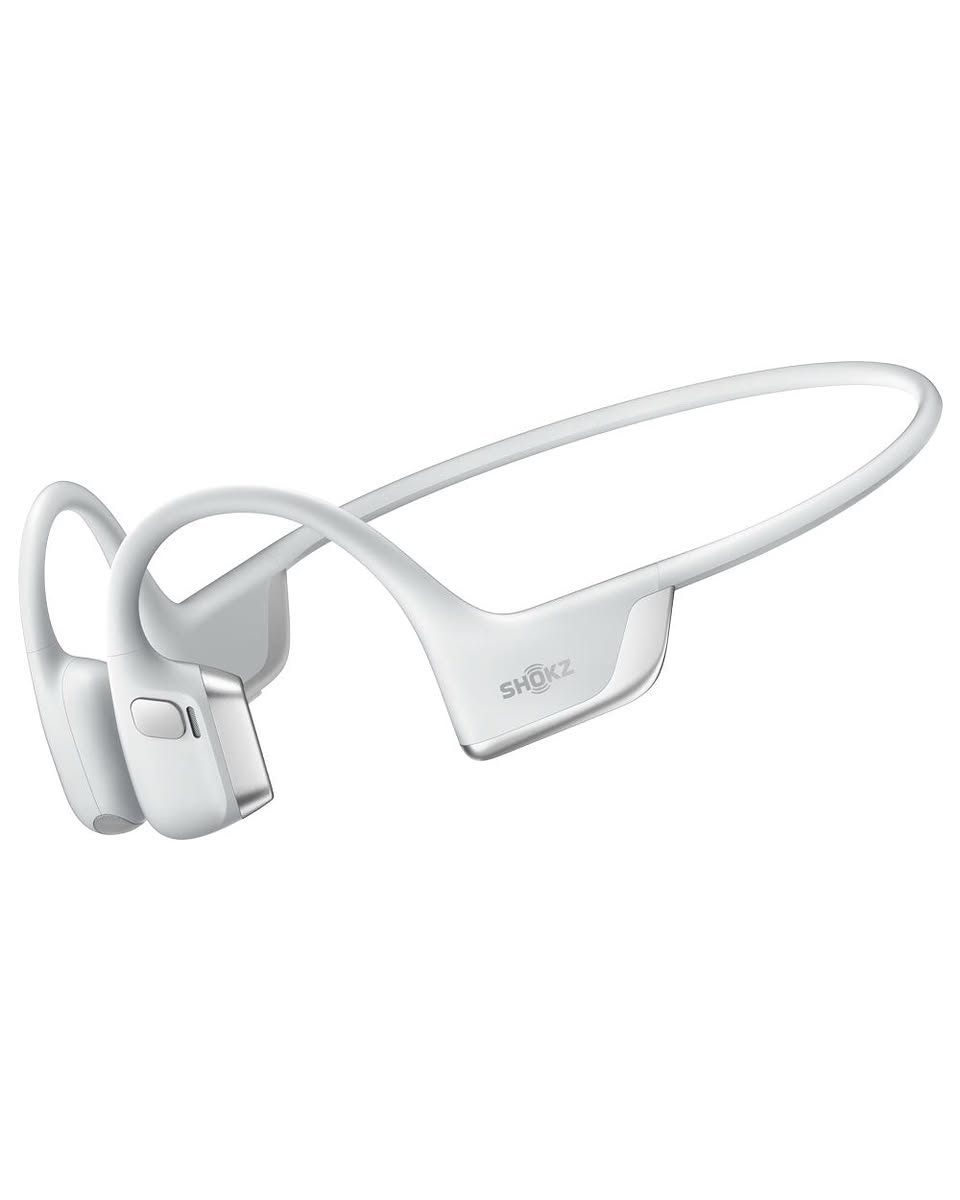
Shokz OpenRun Pro 2
Best Open-Ear (Zero Pressure)Buy if: you want zero pressure on ears or glasses and situational awareness
Don't buy if: weaker bass than conventional headphones and sound leaks at volume are dealbreakers for you
The cleverest solution to the glasses problem is to dodge it entirely: the OpenRun Pro 2 rests on your cheekbones and transmits sound through bone conduction, so literally nothing touches your ears or glasses arms. For runners, cyclists, and anyone who finds all over-ears uncomfortable with glasses, it's revelatory — plus you stay aware of traffic and surroundings.
The tradeoff is sound quality: bone conduction can't match sealed headphones for bass or isolation, and there's some sound leakage at high volumes. This is a comfort and safety pick, not an audiophile one.
Pros
- Zero pressure on ears or glasses
- situational awareness
- great for sports
- sweat-resistant.
Cons
- Weaker bass than conventional headphones
- sound leaks at volume
- not for quiet offices.
Full specifications
- Bone-conduction design — nothing covers or presses ears
- Zero contact with glasses arms
- ~12-hour battery life; quick charge
- IP55 water/sweat resistance
- Lightweight titanium band (~30g)
Prices change frequently — click through to see today's price.
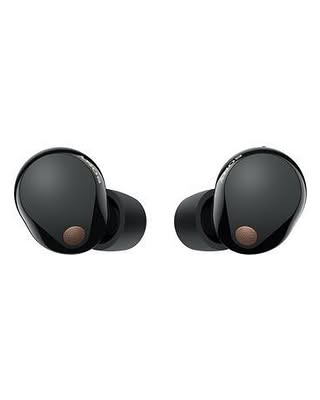
Sony WF-1000XM5
Best Earbuds (No Contact at All)Buy if: you're after zero glasses interference and superb ANC for earbuds
Don't buy if: you won't accept in-ear fit isn't for everyone and can loosen during exercise
Earbuds are the nuclear option for glasses discomfort: they don't touch your temples, frames, or ears' outer structure at all. The WF-1000XM5 pairs that with noise cancelling that rivals over-ears, excellent sound, and a compact case. For glasses wearers who've given up on headbands entirely, these are the gold standard.
Some people simply don't like things in their ear canals, and earbuds can work loose during workouts. But for pure glasses compatibility, nothing beats "doesn't touch your head."
Pros
- Zero glasses interference
- superb ANC for earbuds
- great sound
- pocketable.
Cons
- In-ear fit isn't for everyone
- can loosen during exercise
- easy to lose.
Full specifications
- True wireless earbuds — zero interaction with glasses
- Excellent noise cancellation for earbuds
- ~8-hour battery (+24h with case)
- LDAC hi-res audio; multipoint Bluetooth
- Multiple ear-tip sizes for secure fit
Prices change frequently — click through to see today's price.
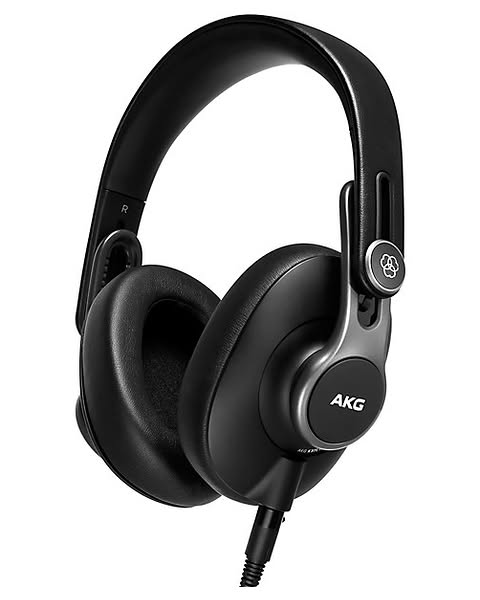
AKG K371
Best Wired Studio HeadphonesBuy if: you're looking for foam adapts to glasses and accurate studio sound
Don't buy if: you can't live with wired only and no noise cancelling
The K371 is the wired pick for glasses wearers who create: its slow-retention foam pads mold around glasses arms instead of pressing on them, the 255g weight disappears on your head, and the Harman-tuned sound is accurate enough for mixing. No battery, no Bluetooth latency, no charging — just plug in and work.
It's wired only, so it's for desk use, not commuting. But for producers, podcasters, and editors who wear glasses, it's the comfort king of studio headphones.
Pros
- Foam adapts to glasses
- accurate studio sound
- lightweight
- detachable cables.
Cons
- Wired only
- no noise cancelling
- not for travel or workouts.
Full specifications
- Closed-back over-ear studio headphones
- Slow-retention foam pads adapt to glasses frames
- Lightweight 255g design
- 5Hz–40kHz frequency response; 50mm drivers
- Detachable cables; foldable with carry bag
Prices change frequently — click through to see today's price.
Best Headphones for Glasses Wearers by Situation
Match the pick to the job, not just the spec sheet:
- Bose QuietComfort Ultra Headphones — Best all-round — light clamp, deep cushions, top ANC
- Sony WH-1000XM6 — Best sound and features — reduced clamp, 30-hour battery
- Bose QuietComfort SC — Best value noise cancelling — the comfort-first design for less
- Anker Soundcore Life Q30 — Best under $100 — big oval cups and memory foam on a budget
- Shokz OpenRun Pro 2 — Zero pressure — open-ear design, nothing touches your frames
- Sony WF-1000XM5 — Best earbuds — no contact with glasses at all
- AKG K371 — Best wired — slow-retention foam that moulds around frames
Buying Guide: Headphones That Work With Glasses
Clamping force matters most
More than pad material or weight, it's the headband's clamping force that decides glasses comfort. A gentle clamp lets pads seal around your glasses arms; a strong clamp drives the arms into your temples. If a new pair feels tight, stretching it overnight over a stack of books (about head-width) safely loosens most headbands.
Pad depth and material
Deep earcups give your glasses arms room to sit without being crushed. Memory foam beats standard foam because it conforms around the arm shape instead of pressing flat against it. Velour pads breathe better for long sessions; leatherette seals better for noise cancelling.
Consider skipping over-ears entirely
Earbuds (Sony WF-1000XM5) and open-ear designs (Shokz) eliminate the glasses problem by construction. If every over-ear you've tried hurts after an hour, stop fighting physics — these categories exist precisely for you.
Fit tips that actually help
To wear headphones comfortably with glasses, follow these steps: 1. Rest glasses arms over the padding. 2. Choose deep memory-foam cushions. 3. Stretch tight headbands overnight carefully. 4. Take short breaks every hour. 5. Switch to earbuds if pain persists.
Position your glasses arms over the earcup padding rather than wedged between pad and skin; thinner frame arms cause less pressure than thick ones; and take the headphones off for a minute every hour or two on very long sessions. Small habits, big comfort difference.
Match the Headphone to Your Frames
Frame type changes the answer. Thick plastic frames need the deepest cups you can find — or skip over-ears entirely for open-ear or earbuds — because a thick arm under a shallow pad is exactly what causes temple pain. Thin wire frames are far more forgiving, and most well-padded over-ears work fine with them. Cup depth matters more than brand here: if the pad cannot swallow the arm, the clamp will press it into your temple no matter whose logo is on the cup. Younger wearers should also see our headphones for teens guide — volume-limited options that work with glasses too.
Frequently Asked Questions
Will my glasses ruin the noise cancelling?
Only slightly, in most cases. Glasses arms can break the seal and trim bass, but soft pads and strong ANC keep the effect minor.
Will headphones scratch my glasses frames?
Unlikely with normal use. Wipe pads now and then, avoid grinding adjustments, and keep grit away from frames to prevent marks.
Should I buy on-ear headphones if I wear glasses?
Usually no. On-ears press directly on your ear and glasses arm, so over-ears, earbuds, or open-ear designs feel kinder.
Can I wear AirPods with my glasses?
Yes. In-ear AirPods never touch your temples. AirPods Max can still press on frames like other over-ear headphones.
What should I buy if I wear thick-framed glasses?
Choose deep memory-foam cups, open-ear models, or earbuds. Thick arms under shallow pads cause the worst temple pressure.
Conclusion
The Bose QuietComfort Ultra is the best all-round headphone for glasses wearers, with the Sony WH-1000XM6 right beside it for features and battery life. Budget buyers should grab the Anker Soundcore Life Q30, and anyone who wants the glasses problem gone entirely should go Shokz OpenRun Pro 2 or Sony WF-1000XM5 earbuds. Creators on a budget get the wired AKG K371. Check the current price on Amazon, and give any new pair a few days — pads soften and clamps relax with wear.