Best Sennheiser Wireless Microphone Systems
If you've ever watched a singer's mic cut out mid-verse, or you're tired of renting a system for one more Sunday service, you know the frustration. Look — if you've fought dropouts from a cheap wireless mic, here's what actually works. Buy one built for the stage. Sennheiser's 2026 wireless lineup is one of the deepest in the business — from the workhorse Evolution Wireless G4 analog series to the fully digital EW-D line, plus the creator-focused Profile Wireless and camera-oriented AVX systems.
This guide rounds up six genuinely current systems sold on Amazon in 2026, based on specifications and owner feedback.
Best Sennheiser wireless microphone systems refers to the top current Sennheiser transmitter-and-receiver bundles — analog G4, digital EW-D, XSW, Profile Wireless and AVX — sold as complete kits for singers, presenters and creators. A system means transmitter, receiver and mic in one box, not a mic alone.
The best Sennheiser wireless mic for singing is the EW 100 G4-835-S, our top pick in this guide. According to Sennheiser's specs, it offers up to 100 m of line-of-sight range and 1,680 selectable frequencies, and the e835 capsule is built for live vocals. It is the safe first serious system for singers and worship leaders.
Note that these are systems, not single microphones: a transmitter (handheld mic or bodypack), a receiver, and a capsule or lavalier, priced as a bundle. Prices change often, so check the current price on Amazon before you commit.
The Best Sennheiser Wireless Microphone Systems
How many wireless mics you can run at once depends on the system. According to Sennheiser's specs, the G4 supports up to 12 simultaneous linked systems, EW-D handles up to 90 channels per band, and the XSW 1-825 DUAL runs two mics on one receiver. For a band or a multi-mic venue, count receiver channels first, then check frequency coordination.
Our Top Pick
Sennheiser EW 100 G4-835-S Handheld Wireless System
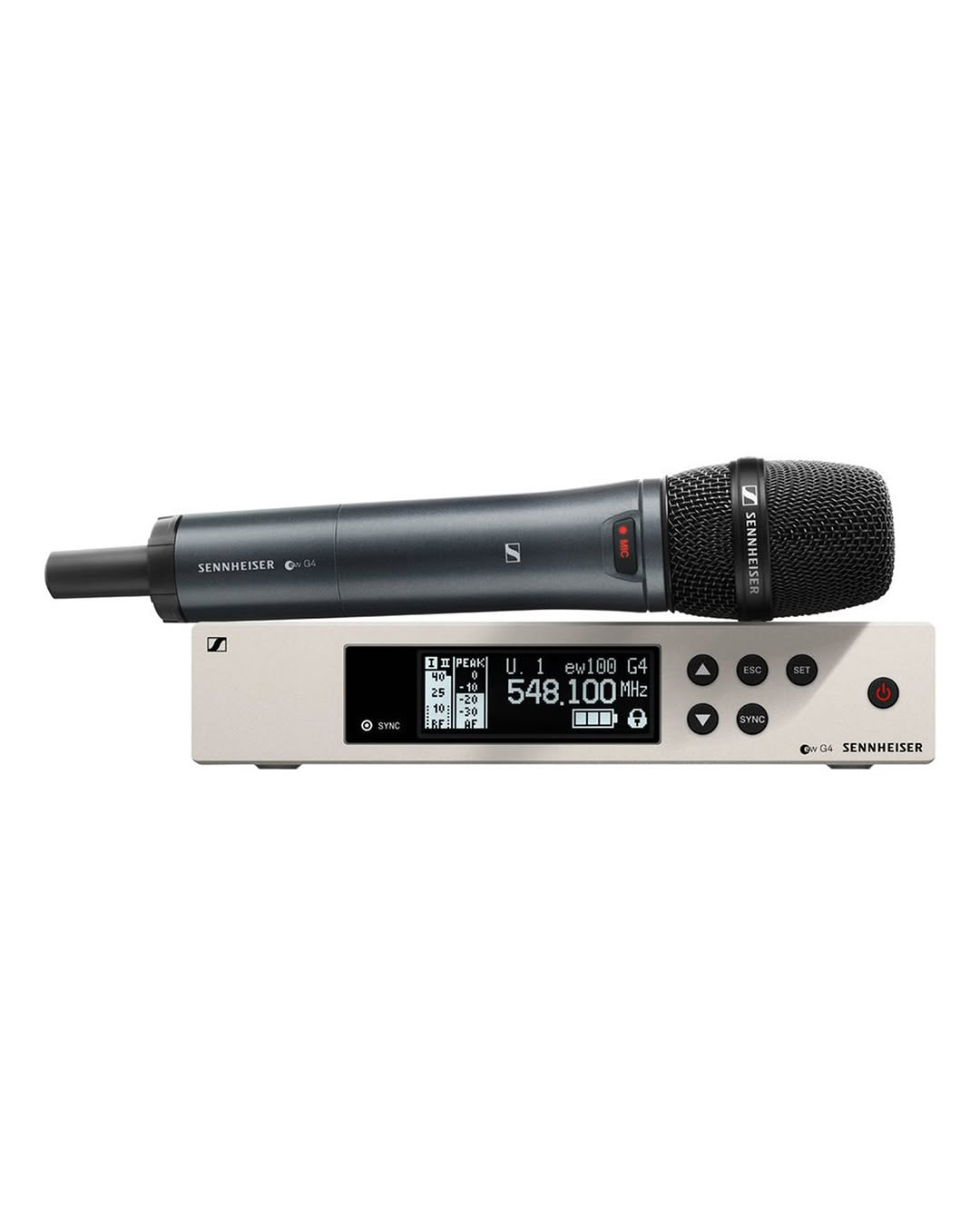
The EW 100 G4-835-S — the "S" denotes the handheld's mute switch — is the default recommendation for singers, worship leaders, and gigging bands who want a reliable analog wireless vocal system. Based on specifications and owner feedback, it remains a go-to first serious system. Infrared sync pairs transmitter and receiver in seconds, and the HDX compander delivers clear audio in crowded RF environments.
Check Price on AmazonQuick Comparison
| Product | Key Specs | ||
|---|---|---|---|
| #1 | Sennheiser EW 100 G4-835-S Handheld Wireless System | Type:Analog UHF handheld system with e835 dynamic capsule · Bandwidth:Up to 42 MHz with 1,680 selectable frequencies · Channels:Up to 12 simultaneous linked systems (20 compatible channels) | Check Price |
| #2 | Sennheiser EW 100 G4-ME2 Lavalier Wireless System | Type:Analog UHF bodypack system with ME 2-II omnidirectional lavalier · Bandwidth:Up to 42 MHz with 1,680 selectable frequencies · Channels:Up to 12 simultaneous linked systems | Check Price |
| #3 | Sennheiser EW-D ME2 Set (Evolution Wireless Digital) | Type:Digital UHF bodypack system with ME 2 lavalier · Dynamic range:134 dB on the transmitter — no compander · Channels:Up to 90 channels per band across 56 MHz bandwidth | Check Price |
| #4 | Sennheiser XSW 1-825 DUAL Two-Channel Vocal Set | Type:Analog UHF dual-handheld system, e825 dynamic capsules · Bandwidth:Up to 24 MHz switching bandwidth · Channels:Up to 10 compatible channels | Check Price |
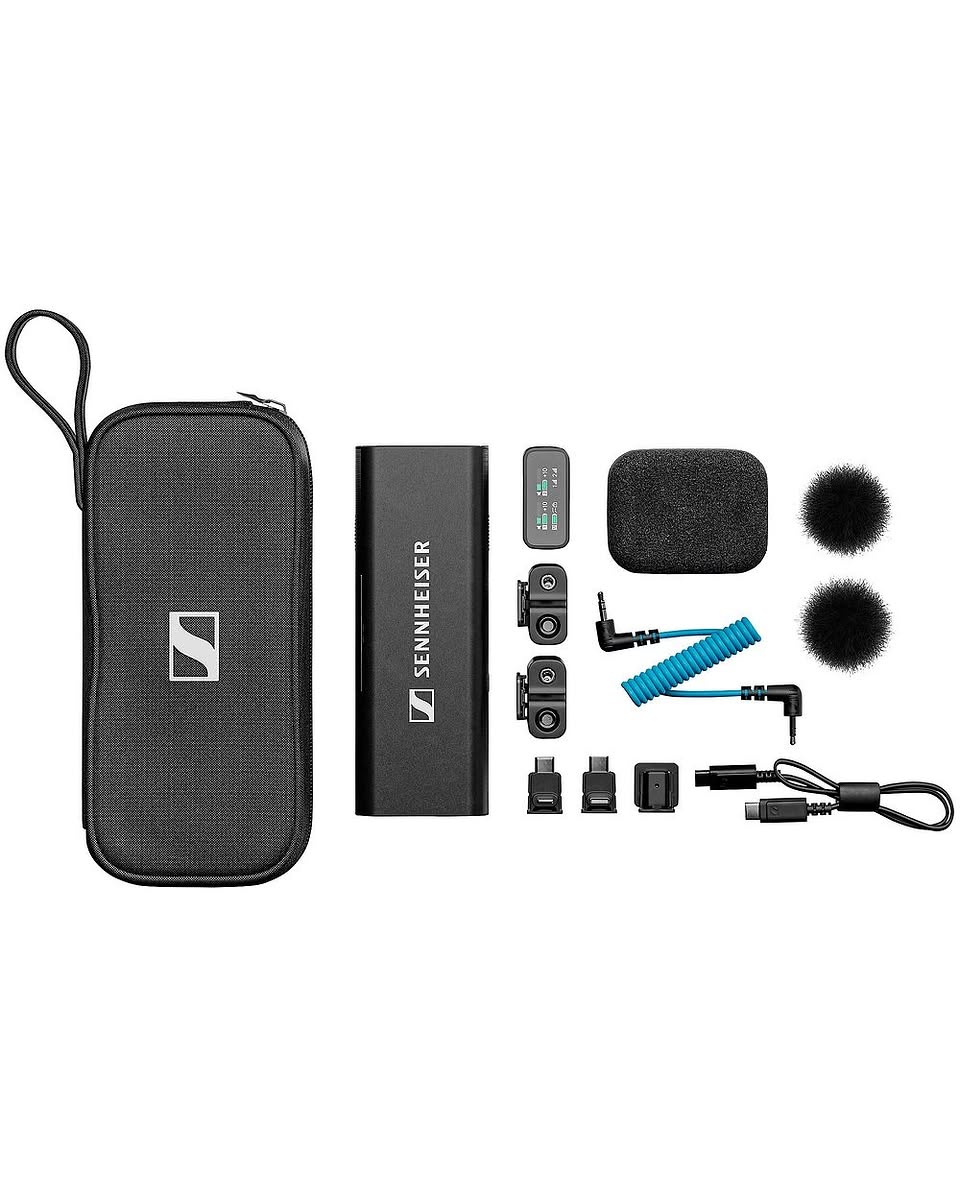
| #5 | Sennheiser Profile Wireless 2-Channel Creator Set | Type:2.4 GHz digital all-in-one system, 2 clip-on transmitters + 1 receiver · Recording:32-bit float internal recording on each transmitter (16 GB storage) · In the box:Charging bar (doubles as handheld mic), camera cable, USB-C and Lightning adapters, shoe mount, windscreens | Check Price |
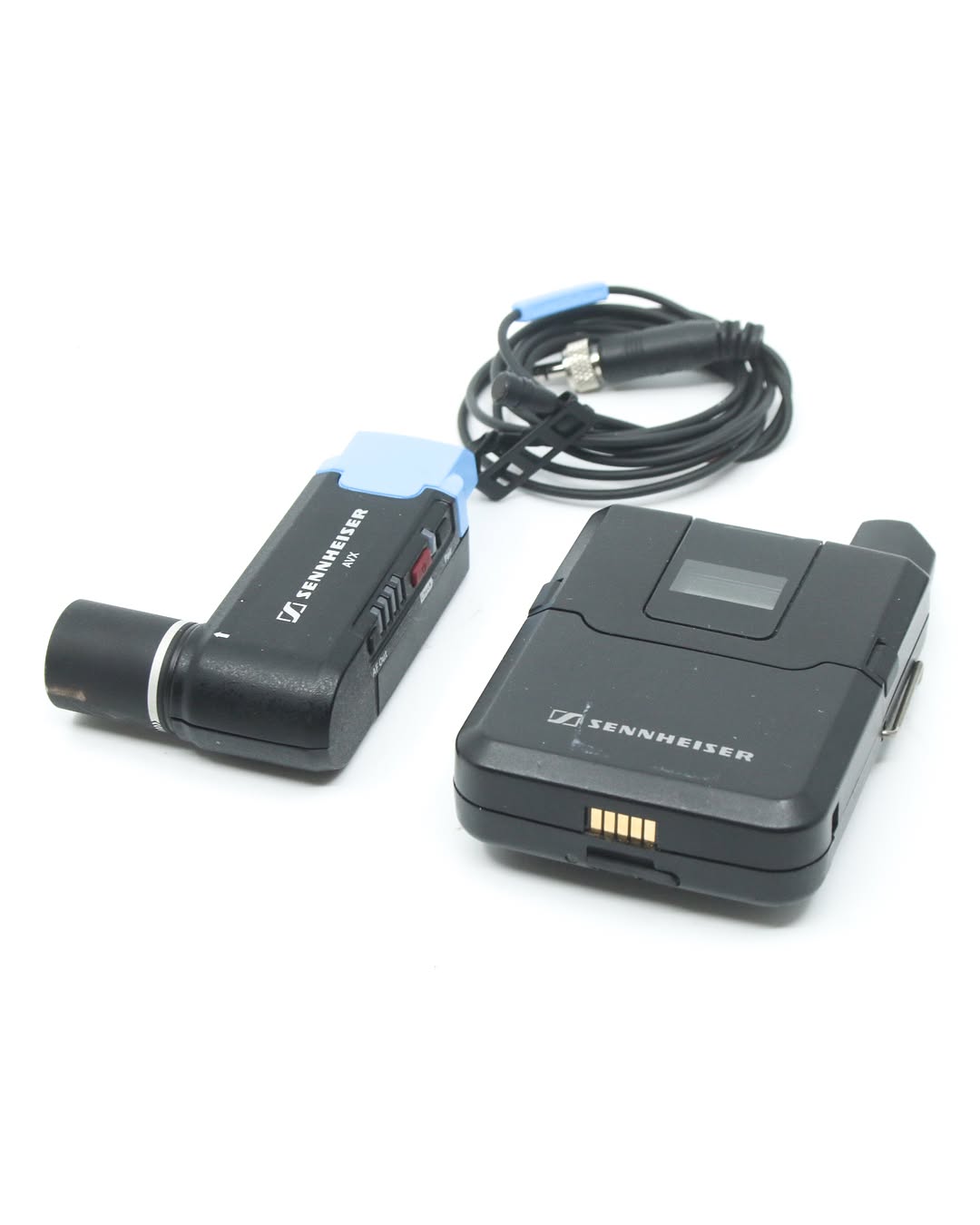
| #6 | Sennheiser AVX-ME2 Set (Digital Camera Wireless) | Type:Digital wireless lavalier set for cameras, ME 2 lavalier · Band:License-free 1.9 GHz digital transmission · Receiver:Plug-on EKP AVX receiver attaches directly to a camera XLR input | Check Price |
Sennheiser EW 100 G4-835-S Handheld Wireless System
Buy if: you're looking for e835 dynamic capsule suits live vocals
Don't buy if: you can't live with analog system carries a compander noise floor versus digital
The EW 100 G4-835-S — the "S" denotes the handheld's mute switch — is the default recommendation for singers, worship leaders, and gigging bands who want a reliable analog wireless vocal system. Based on specifications and owner feedback, it remains a go-to first serious system. Infrared sync pairs transmitter and receiver in seconds. The HDX compander delivers clear audio in crowded RF environments. If you run several channels or want the widest capsule compatibility, the G4-835-S is the safe pick; check the current price on Amazon and confirm the band variant is legal in your region.
Pros
- e835 dynamic capsule suits live vocals
- Up to 42 MHz bandwidth with 1,680 selectable frequencies
- Up to 100 m / 330 ft line-of-sight range
- Handheld mute switch ('S' variant) plus infrared sync
Cons
- Analog system carries a compander noise floor versus digital
- Region-specific band variants must be matched to local regulations
- Not ideal for hands-free speech use compared with a lavalier set
Full specifications
- Type:Analog UHF handheld system with e835 dynamic capsule
- Bandwidth:Up to 42 MHz with 1,680 selectable frequencies
- Channels:Up to 12 simultaneous linked systems (20 compatible channels)
- Range:Up to 100 m / 330 ft line of sight
Prices change frequently — click through to see today's price.
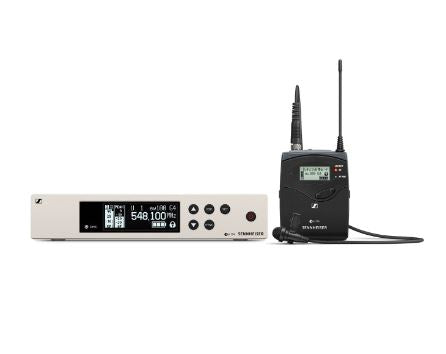
Sennheiser EW 100 G4-ME2 Lavalier Wireless System
Buy if: you need ME 2-II omnidirectional lavalier — natural for speech as the head turns
Don't buy if: omnidirectional pattern picks up room noise, suits quieter stages best is a dealbreaker for you
If you present, teach, or host rather than sing, the EW 100 G4-ME2 swaps the handheld mic for a discreet ME 2-II clip-on lavalier on an SK 100 G4 bodypack. Everything else is pure G4: metal housings, infrared sync, automatic frequency scanning, and a half-rack receiver for installed setups. The ME 2-II's omnidirectional pattern sounds natural for speech no matter which way your head turns, but it also hears the room, so it suits quieter stages best. For hands-free freedom on a proven platform, this is the G4 configuration to buy. Check current price on Amazon.
Pros
- ME 2-II omnidirectional lavalier sounds natural for speech as the head turns
- Proven G4 platform with infrared sync and auto frequency scan
- Half-rack metal receiver fits installed setups
- Up to 100 m / 330 ft line-of-sight range
Cons
- Omnidirectional pattern picks up room noise, suits quieter stages best
- Analog compander adds slight noise floor versus digital systems
- Region-specific band variants must be matched to local regulations
Full specifications
- Type:Analog UHF bodypack system with ME 2-II omnidirectional lavalier
- Bandwidth:Up to 42 MHz with 1,680 selectable frequencies
- Channels:Up to 12 simultaneous linked systems
- Range:Up to 100 m / 330 ft line of sight
Prices change frequently — click through to see today's price.
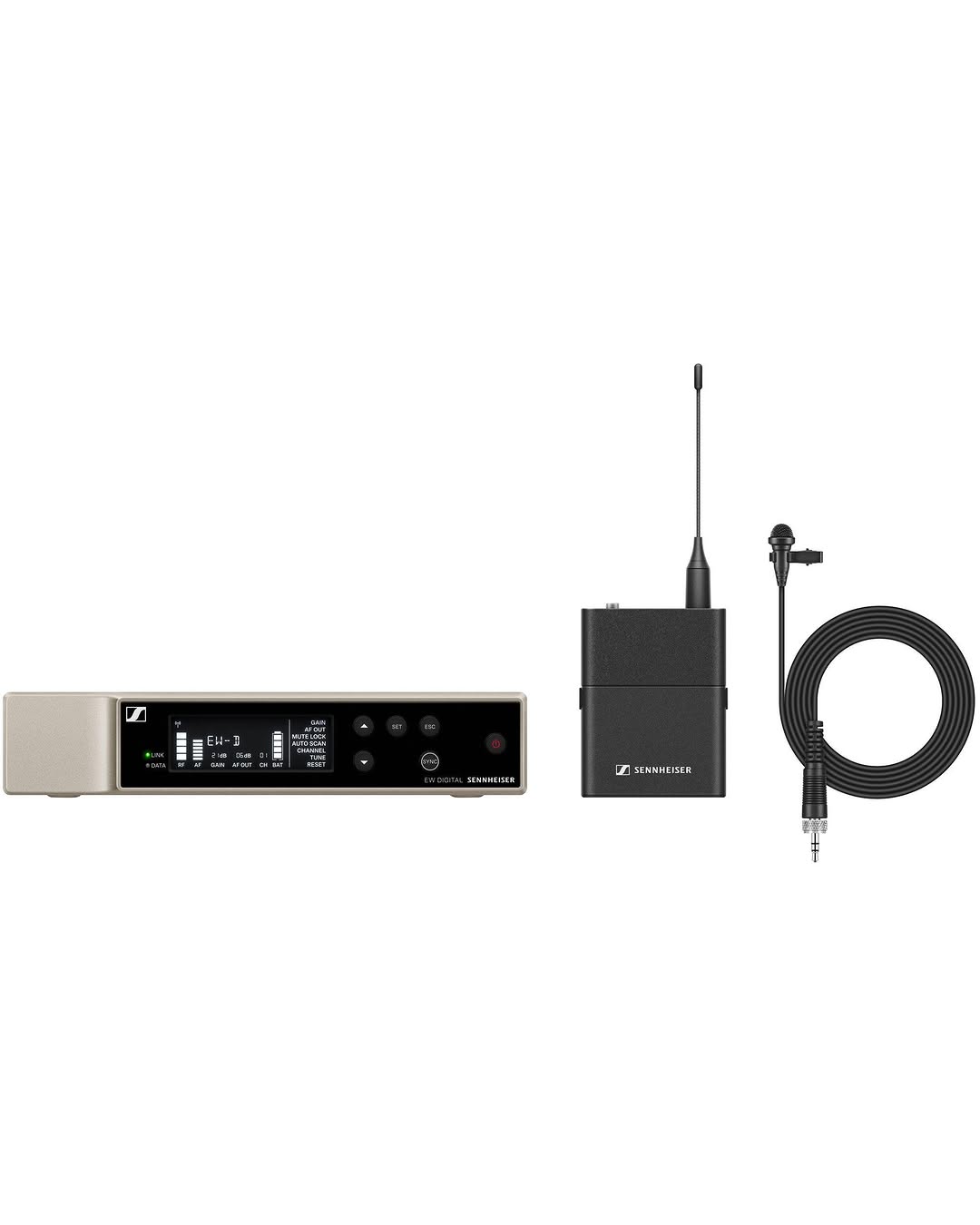
Sennheiser EW-D ME2 Set (Evolution Wireless Digital)
Buy if: you prefer 134 dB dynamic range with no compander, — like a wired mic
Don't buy if: you won't accept heavier setup reliance on the Smart Assist app
Evolution Wireless Digital is Sennheiser's answer to the analog-vs-digital question. The EW-D ME2 Set is its lavalier configuration. With a fully digital audio path there is no compander noise floor — owners consistently describe it as sounding like a wired mic — and the Smart Assist app scans the room, finds open frequencies, and syncs them over Bluetooth. The 134 dB dynamic range handles loud and quiet sources without gain fiddling, and up to 90 channels per band make it scalable for houses of worship, schools, and venues. If your budget reaches it, EW-D is the future-proof digital pick. Check current price on Amazon.
Pros
- 134 dB dynamic range with no compander, sounds like a wired mic
- Smart Assist app scans and syncs frequencies over Bluetooth
- Up to 90 channels per band across 56 MHz bandwidth
- Digital path gives lower noise floor than analog G4
Cons
- Heavier setup reliance on the Smart Assist app
- ME 2 lavalier omnidirectional pattern still hears room noise
- Higher cost tier than the analog G4 lavalier set
Full specifications
- Type:Digital UHF bodypack system with ME 2 lavalier
- Dynamic range:134 dB on the transmitter — no compander
- Channels:Up to 90 channels per band across 56 MHz bandwidth
- Setup:Smart Assist app with automated frequency coordination
Prices change frequently — click through to see today's price.
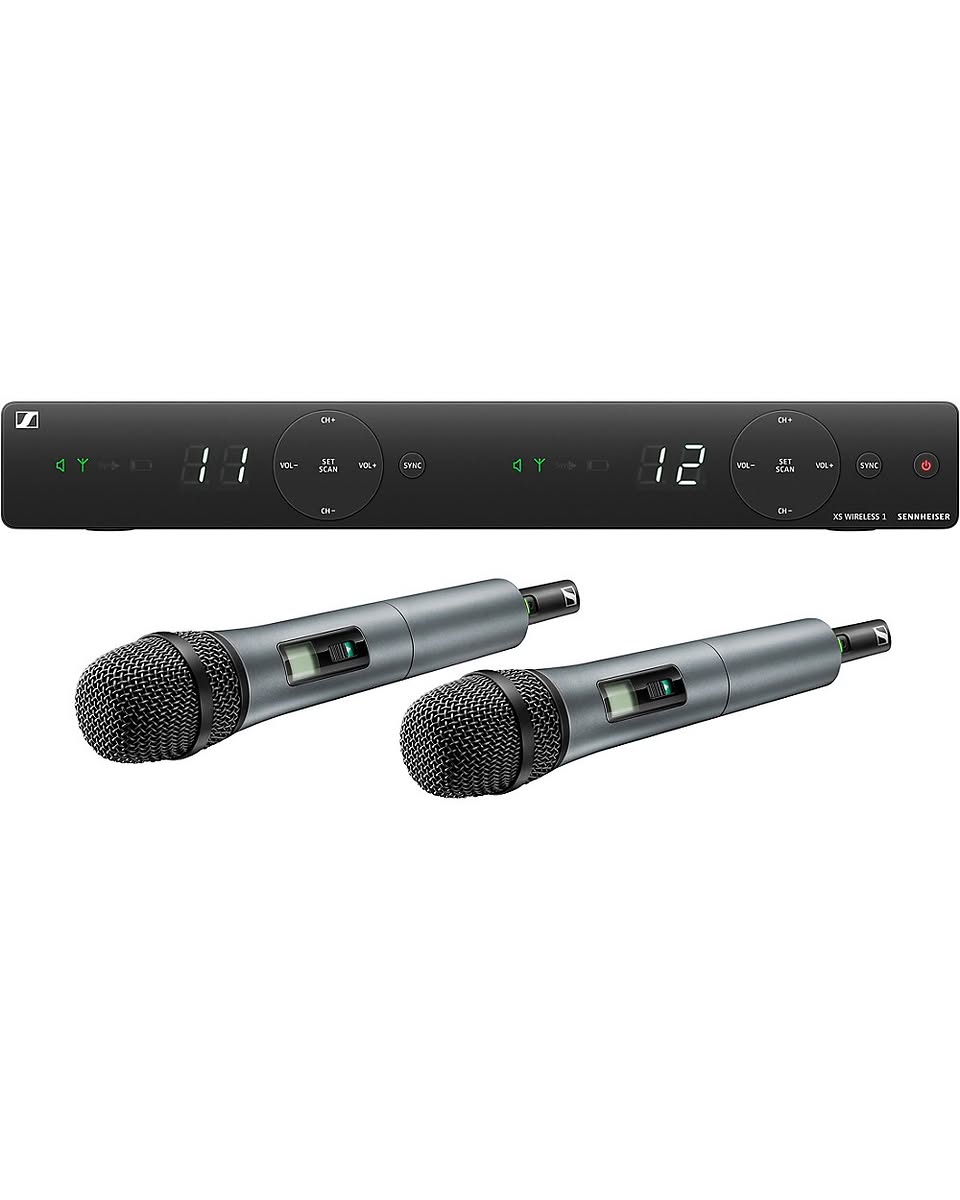
Sennheiser XSW 1-825 DUAL Two-Channel Vocal Set
Buy if: you want two handheld vocal transmitters on one dual-channel receiver
Don't buy if: you can't live with no interchangeable capsules and no external antennas versus G4
The XSW 1-825 DUAL answers a common question: "I need two wireless mics, not one." A single dual-channel receiver handles two handheld vocal transmitters with e825 cardioid dynamic capsules — the most affordable way into a two-mic Sennheiser setup for duos, karaoke hosts, and schools. You give up interchangeable capsules and external antennas versus G4, but for users who never touch RF settings, that simplicity is a feature, not a bug. Check current price on Amazon.
Pros
- Two handheld vocal transmitters on one dual-channel receiver
- Most affordable entry to a two-mic Sennheiser setup
- Automatic frequency management and remote-channel sync
- Simple to operate with no RF knowledge needed
Cons
- No interchangeable capsules and no external antennas versus G4
- Narrower 24 MHz switching bandwidth limits flexibility
- Fewer simultaneous channels (up to 10) than G4 or EW-D
Full specifications
- Type:Analog UHF dual-handheld system, e825 dynamic capsules
- Bandwidth:Up to 24 MHz switching bandwidth
- Channels:Up to 10 compatible channels
- Sync:Automatic frequency management and remote-channel sync
Prices change frequently — click through to see today's price.
Sennheiser Profile Wireless 2-Channel Creator Set
Buy if: you're after 32-bit float internal recording on each transmitter as a safety backup
Don't buy if: 2.4 GHz band — shared with Wi-Fi and more prone to congestion is a dealbreaker for you
Launched in late 2024, Profile Wireless is Sennheiser's entry into the creator wireless market — and it arrived swinging. Each clip-on transmitter records 32-bit float audio internally, so even if the radio link clips or drops, the backup is clean, and a safety channel mode adds further insurance. I've seen conflicting data — some owners say the 2.4 GHz link is rock-solid, others report dropouts in Wi-Fi-heavy rooms. My read is that it is fine for creators and a gamble for critical live work. The charging bar charges both transmitters, then converts into a handheld interview mic. A one-channel version exists for solo creators, but the 2-channel set is the sweet spot for interviewers and YouTubers. Check current price on Amazon.
Pros
- 32-bit float internal recording on each transmitter as a safety backup
- 16 GB storage per transmitter for long sessions
- Charging bar doubles as a handheld interview mic
- Camera cable plus USB-C and Lightning adapters in the box
Cons
- 2.4 GHz band is shared with Wi-Fi and more prone to congestion
- Newer product line with less stage-venue track record than G4
- A one-channel version may be enough for solo creators paying for two
Full specifications
- Type:2.4 GHz digital all-in-one system, 2 clip-on transmitters + 1 receiver
- Recording:32-bit float internal recording on each transmitter (16 GB storage)
- In the box:Charging bar (doubles as handheld mic), camera cable, USB-C and Lightning adapters, shoe mount, windscreens
- Extras:Safety channel mode, external lavalier port with locking connector
Prices change frequently — click through to see today's price.
Sennheiser AVX-ME2 Set (Digital Camera Wireless)
Buy if: you're looking for a receiver plugs directly into a camera XLR input and powers from it
Don't buy if: you won't accept single-channel, camera-first system with no multi-mic expansion
The AVX-ME2 Set was designed for video shooters who want broadcast-style sound without thinking about RF: the receiver plugs straight into your camera's XLR input, powers from it, and the digital link configures itself automatically in a globally license-free band. It is a single-channel, camera-first system — an older line than EW-D or Profile Wireless, still listed by retailers in 2026, but confirm the listing is current before buying. For run-and-gun interviews, its zero-fuss workflow is hard to beat. Check current price on Amazon.
Pros
- Receiver plugs directly into a camera XLR input and powers from it
- Fully automatic frequency management with no RF coordination
- License-free 1.9 GHz digital transmission
- Zero-fuss workflow for run-and-gun interviews
Cons
- Single-channel, camera-first system with no multi-mic expansion
- Older line than EW-D or Profile Wireless, confirm listings are current
- Requires a camera with XLR input rather than a universal mini receiver
Full specifications
- Type:Digital wireless lavalier set for cameras, ME 2 lavalier
- Band:License-free 1.9 GHz digital transmission
- Receiver:Plug-on EKP AVX receiver attaches directly to a camera XLR input
- Setup:Fully automatic frequency management — no RF coordination needed
Prices change frequently — click through to see today's price.
How to Choose Your System
Analog vs. digital wireless
Here's the thing: the biggest split is analog versus digital transmission. The Evolution Wireless G4 and XS Wireless series use analog UHF with a compander that squeezes audio through the radio link — a proven formula with decades of stage history, at the cost of a slightly raised noise floor. Digital systems (EW-D, Profile Wireless, AVX) skip the compander, so they sound like a wired connection and support features like 32-bit internal recording and app-based setup. Want maximum fidelity and easy setup? Go digital. If capsule choice matters more, analog G4 still delivers — and for multi-mic venues, it is still the safer bet.
Analog vs digital wireless: analog G4 is better suited for multi-mic venues because its capsule range is widest and its RF behaviour is proven over decades on stage. Digital EW-D works better when you want the cleanest sound and the easiest setup, with app-based frequency scanning. The key difference is the compander: analog squeezes audio through the link, digital does not.
Whether you need a licence for a wireless mic depends on where you live. In most countries these systems run on licence-free spectrum, so most buyers need none at all. Buy the band variant legal in your region — in the US, 700 MHz was cleared in 2010 and 600 MHz in 2020.
Frequency bands and licensing basics
Wireless mics operate in different frequency ranges by system and region. G4 systems are sold in region-specific band variants (A1, A, G, and others), so buy the variant that is legal in your country — in the US the 700 MHz band was cleared in 2010 and 600 MHz in 2020, so only buy current band versions. EW-D works in designated UHF bands with up to 56 MHz of tuning range, Profile Wireless uses 2.4 GHz (license-free worldwide but shared with Wi-Fi), and AVX uses a license-free 1.9 GHz band. Large multi-channel venue rigs benefit from coordination tools like Sennheiser's Smart Assist app. Check before you buy.
Headsets, camera-mount kits, and batteries
Three choices buyers often miss. First, headset mics: if you move a lot while presenting or instructing — fitness classes are the classic case — a headset mic (in Sennheiser's line, an ME 3-style headmic on a bodypack) stays put where a lavalier can shift and rustle. Second, camera-mount ENG kits: the AVX above is the plug-on, camera-XLR route, but if you shoot video on the move, a current camera-mount digital kit (EW-DP ENG-style, with a receiver that mounts on the camera and app-based monitoring) is the modern alternative worth comparing before you buy. Third, power: most G4 and EW-D transmitters run on AA batteries, so budget for spares or rechargeables, while rechargeable creator kits need charging discipline between shoots — check the battery type, not just the headline range, before committing.
Batteries are the boring bit — and the one that kills gigs.
Setup tips that prevent dropouts
Scan for a clean frequency before the gig, not during it, and keep a clear line of sight between transmitter and receiver wherever possible. Keep receiver antennas clear of metal surfaces and electrical gear, angled apart rather than bunched together. Test the full chain — mic, receiver, mixer or camera input — before anything critical, and carry fresh batteries. Most "faulty" wireless complaints trace back to an unscanned frequency or a blocked antenna. Not a faulty system.
Match the system to your use case
Start with the room. Live stage and bands: look for a handheld transmitter with an interchangeable capsule. The EW G4 or EW-D handheld sets work well, with a receiver you can rack or leave on a table. Vlogging and content creation: the Profile Wireless 2-channel kit is the all-in-one answer, clipping straight onto camera, phone, or laptop — and if streaming is your main use, compare it with our best microphone for streaming guide. Presentations and speaking: a bodypack lavalier system gives you hands-free operation. The EW 100 G4-ME2 or EW-D ME2 Set both fit the bill. And whichever system you choose, pair it with reliable monitoring from our best studio headphones roundup — your ears will thank you.
Frequently Asked Questions
Do I need a licence for a wireless mic?
For most buyers, no. These systems run on licence-free spectrum in most countries. Just buy the band variant legal in your region — in the US, avoid retired 700 MHz and 600 MHz bands.
Which sounds better, analog or digital wireless?
Digital, on paper. EW-D skips the compander, so the noise floor is lower and quiet passages stay clean. Analog G4 still sounds great on stage, but you may hear a faint noise floor in silent passages.
Can I use two transmitters with one receiver?
No. One transmitter per receiver channel is a hard rule. The XSW 1-825 DUAL is the exception: its receiver has two built-in channels. For four mics, you need four receiver channels and coordinated frequencies.
How far will a Sennheiser wireless mic reach?
Sennheiser rates G4 systems at up to 100 metres (330 feet) line of sight. Walls, bodies and metal shrink that, and 2.4 GHz sets suffer more in Wi-Fi-heavy rooms. Scan for a clean channel first.
Can I use a Sennheiser wireless mic with my camera or phone?
Yes, if the receiver output matches. The AVX-ME2 plugs straight into a camera XLR input, and Profile Wireless ships with camera, USB-C and Lightning adapters. G4 and EW-D feed a mixer, so check your camera's input first.
Will Wi-Fi interfere with my wireless microphone?
It depends on the band. UHF systems (G4, EW-D, XSW, AVX) sit far from Wi-Fi and are largely unaffected. Profile Wireless uses 2.4 GHz, shared with Wi-Fi, so crowded rooms can cause dropouts — prefer UHF for live events.
Which Sennheiser System Should You Buy?
There is no single best Sennheiser wireless microphone — there is the right system for the job. Singers and bands should start with the EW 100 G4-835-S or step up to EW-D digital for the cleanest sound. Presenters belong with a lavalier set like the EW 100 G4-ME2. Creators and video shooters should look at Profile Wireless or the camera-first AVX-ME2. Or maybe I should say it this way: buy the system that matches the room you're actually in, not the one with the longest spec sheet. Here's my honest take — for a single mic in a small room, the G4 is overkill, because a simpler system does the same job for less money and less fuss. Simple as that. Buy the correct frequency-band variant for your region, check the current price on Amazon, and take frequency coordination seriously. Your system will reward you with years of dependable service. Building a full audio setup? Pair it with reliable monitoring from our best studio headphones guide.