Kiwi Ears Dolce Review
The budget in-ear monitor (IEM) market moves fast, but some products earn a permanent place in it. The Kiwi Ears Dolce — a $25 single-dynamic-driver IEM — has been one of the most recommended entry points into the hobby since its release, praised by reviewers and the Head-Fi community alike for tuning that embarrasses far pricier sets. In 2026, with countless new budget IEMs on the market, is the Dolce still worth buying? Based on its specifications and the consensus of professional reviews, the answer is yes.
Our Top Pick
Kiwi Ears Dolce
Best Budget IEM Under $30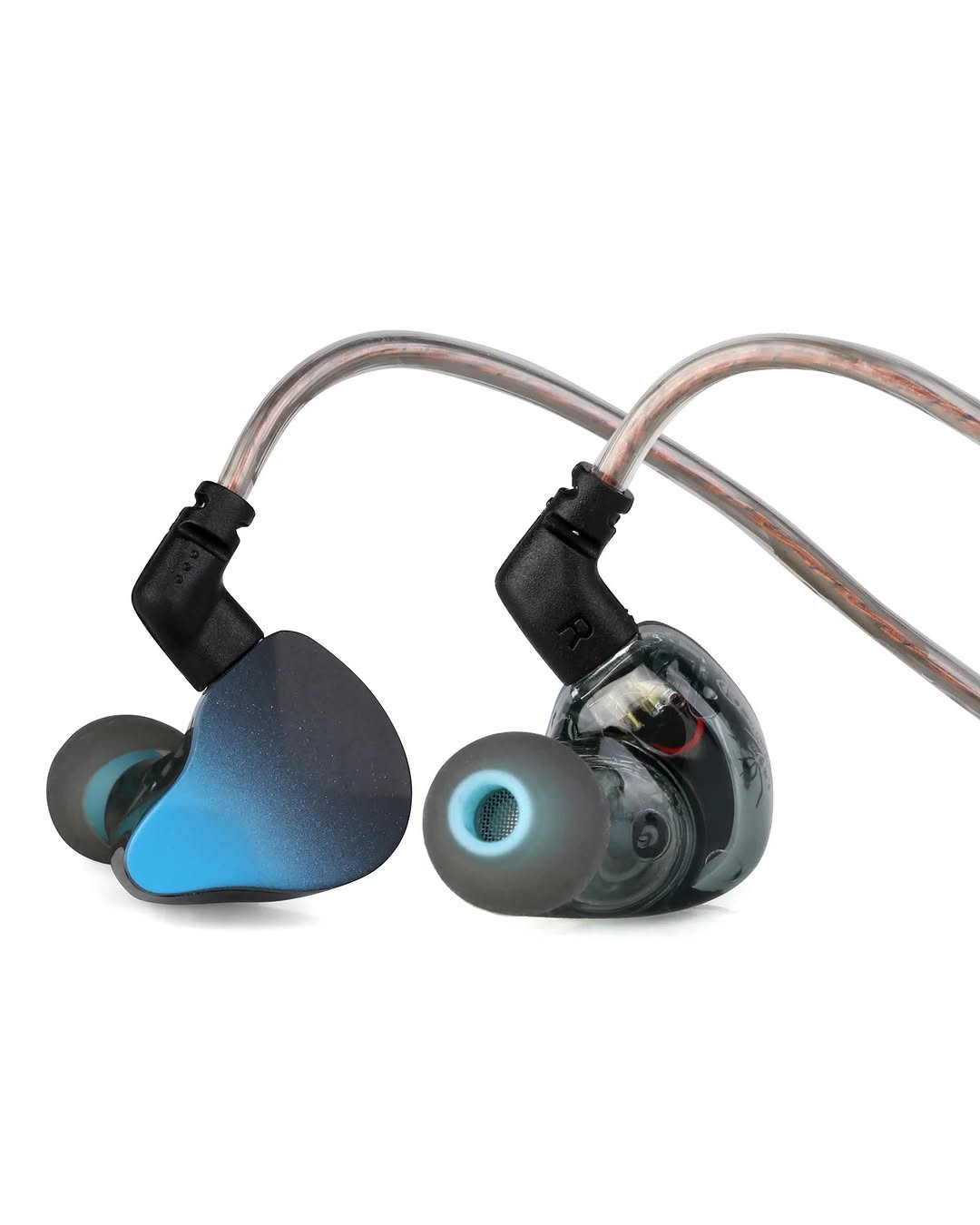
Kiwi Ears built its reputation on well-tuned IEMs at every price tier, from the $220 Quintet down to budget models — and the Dolce is arguably the best value in their entire lineup. The formula is simple: one good 10mm d…
Check Price on AmazonKiwi Ears Dolce
Best Budget IEM Under $30Buy if: you need excellent tuning for the price and comfortable lightweight shell
Don't buy if: you won't accept soundstage — average rather than expansive and no carrying case included
Kiwi Ears built its reputation on well-tuned IEMs at every price tier, from the $220 Quintet down to budget models — and the Dolce is arguably the best value in their entire lineup. The formula is simple: one good 10mm dynamic driver, careful tuning, and a comfortable resin shell, all for about $25. Check the current price before buying, as budget IEM pricing fluctuates.
Pros
- Excellent tuning for the price
- comfortable lightweight shell
- detachable cable
- easy to drive
- striking looks.
Cons
- Soundstage is average rather than expansive
- no carrying case included
- cable is basic (though replaceable).
Full specifications
- 10mm LDP (liquid crystal polymer) dynamic driver
- 16Ω impedance, 102dB sensitivity — easy to drive from any phone or dongle
- Detachable 0.78mm 2-pin OCC copper cable with QDC-style sleeve, 3.5mm termination
- 3D-printed medical-grade resin shell with gradient faceplate
- Multiple silicone ear tips included
Prices change frequently — click through to see today's price.
Design and Build
The Dolce looks far more expensive than it is. The 3D-printed resin shell is transparent, fused to a faceplate with a blue-to-black gradient that Kiwi Ears fans immediately recognize. It's lightweight and ergonomically shaped, and reviewers consistently note comfortable, fatigue-free fit during long sessions — important for an IEM you'll actually wear for hours.
The included cable is a simple high-purity OCC copper cable with 0.78mm 2-pin connectors and a 3.5mm plug. It won't win awards, but the detachable design means you can swap in an upgrade cable later — a rarity at this price. The package includes three sizes of silicone tips and a quality-control card; there's no carrying case, which is the one notable omission. Isolation is passive only — there is no noise cancelling — so expect average isolation that copes with a commute or office but lets loud train and plane noise through; a good tip seal matters more here than with sealed over-ears.
Sound Quality
The Dolce's tuning is its reason for existing. "Dolce" means sweet, and the signature follows: a mildly V-shaped profile with clean, textured bass that stays controlled, a slightly forward upper midrange that gives vocals energy and presence, and treble that's detailed, though bright recordings can sound forward up top. Reviewers describe the overall presentation as balanced and musical rather than fatiguing — the kind of tuning that works across genres, from pop and rock to acoustic and electronic.
Technically, the Dolce performs like a $50 IEM: separation and layering are genuinely good, handling busy tracks without smearing, and resolution is solid for the price. The main limitation is soundstage — it's average in width and depth, and pricier multi-driver IEMs image more expansively. At $25, that's a reasonable tradeoff, and most listeners won't feel shortchanged.
The praise comes with a caveat reviewers repeat: the forward upper mids that give vocals their energy can also sound hot or shrill on bright, sibilant recordings, and the central mids can feel hollow or thin next to fuller-sounding sets. It is rarely fatiguing at normal volumes, but if you are sensitive to treble or prefer a darker, warmer signature, the Cadenza below is the safer pick in Kiwi Ears' own lineup.
Dolce vs. The Competition
vs. Kiwi Ears Cadenza (~$35): The Cadenza takes a warmer, more relaxed approach with darker treble and richer vocals, while the Dolce is more energetic with brighter highs and punchier bass. Pick the Dolce for excitement, the Cadenza for smoothness.
vs. Simgot EW200 (~$40): The EW200 is the Dolce's closest rival — slightly more neutral and open-sounding, but more expensive. Reviewers often recommend the EW200 if your budget stretches, and the Dolce if it doesn't.
vs. BLON BL-03: The old budget king. The BL-03 has thicker, bassier tuning; the Dolce is cleaner and more refined in the mids and treble. The Dolce is the more modern, more versatile pick.
vs. TinHiFi C2: The benchmark reviewers most often set against the Dolce. The C2 is more balanced and less V-shaped, with a metal shell where the Dolce uses resin — but the Dolce is lighter, fits more easily, and reaches the sub-bass more readily, while the C2 plays louder at the same volume. Pick the C2 for neutrality, the Dolce for energy and comfort.
Who Should Buy the Dolce?
The Dolce is ideal for: first-time IEM buyers curious about the hobby, anyone wanting a beater pair for commuting or the gym, and listeners who want fun, energetic tuning without spending much. It's less ideal if you need a microphone for calls (there's no mic version) or if you're chasing maximum soundstage and technical performance — in which case, spending $50–$100 opens up meaningfully better options.
Frequently Asked Questions
Do I need an amplifier or DAC for the Kiwi Ears Dolce?
No. At 16Ω impedance and 102dB sensitivity, the Dolce is easy to drive — any phone, laptop, or basic USB-C dongle will power it fully. A dedicated DAC can refine the sound slightly, but it's absolutely not required.
Is the cable replaceable?
Yes. The Dolce uses 0.78mm 2-pin connectors with a QDC-style sleeve, so most aftermarket 2-pin cables fit — QDC-sleeved cables match the recess best. This is a major plus at $25 — if the stock cable ever fails, you replace the cable, not the IEM.
What's the difference between the Dolce and the Kiwi Ears Cadenza?
The Dolce has a more energetic V-shaped signature with brighter treble and punchier bass; the Cadenza is warmer and smoother with more relaxed highs. The Dolce is also about $10 cheaper. Both are excellent — it's a tuning preference choice.
Is the Kiwi Ears Dolce still worth buying in 2026?
Yes. The budget IEM market has grown more crowded, but the Dolce's combination of tuning quality, comfort, detachable cable, and ~$25 pricing remains exceptional. It's still one of the safest recommendations under $30.
Is the Kiwi Ears Dolce good for commuting?
Yes, for casual commuting. It is light, comfortable for hours, and secure enough for everyday carry — but isolation is passive only, with no noise cancelling, so it copes with streets and offices better than with loud trains and planes. If blocking engine noise is the priority, noise-cancelling earbuds are the better tool.
Can the Dolce sound harsh or fatiguing?
It can on the wrong material. Reviewers note the forward upper mids can sound hot or shrill on bright, sibilant recordings, and the central mids can feel hollow next to fuller sets. At normal volumes with most music it stays smooth and musical — but treble-sensitive listeners, or anyone who mainly listens to bright pop and metal, should favour the warmer Cadenza instead.
The Verdict
The Kiwi Ears Dolce earned its reputation by doing the fundamentals exceptionally well: a good driver, thoughtful tuning, comfortable fit, and honest pricing. In 2026 it remains the default answer to "what's the best IEM under $30?" — and one of the strongest value picks in our top speakers, headphones and headsets roundup. — a genuine giant-killer that makes expensive audio accessible. If you're curious about IEMs, this is the cheapest meaningful way to find out what the fuss is about.